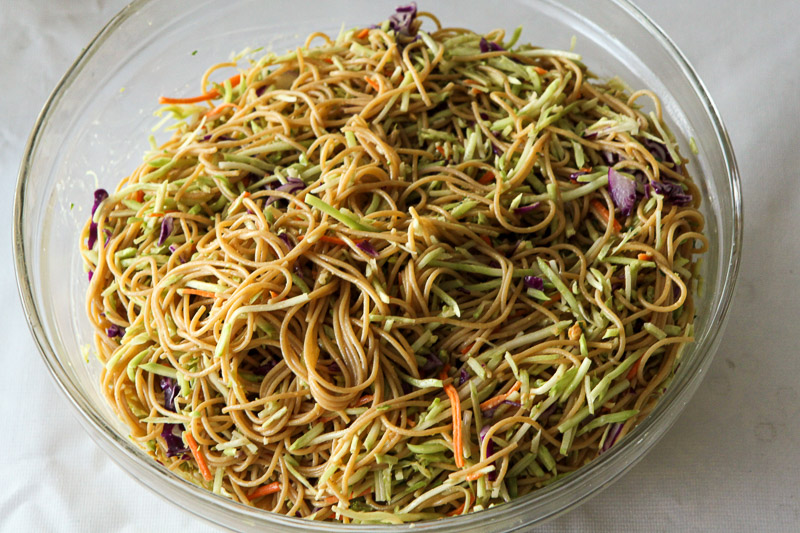
lbwhole grain pasta, cooked and rinsed with cold water
1lbshredded "broccoli slaw" or similar
1/3cuppeanut butter
1/3cuprice wine vinegar
1/3cupmaple syrupor brown sugar
1/3cuplow-sodium soy sauce
up to 1/3cupwarm water
1 1/2thumbsfresh or frozen ginger, chopped or gratedcan use dried
3clovesgarlic, choppedcan use dried
1dashsriracha or other hot sauce
Instructions
While your pasta is cooking, whisk together the sauce ingredients and open your bag of shredded veggies.
Drain the pasta and run it under cold water.
Toss pasta with veggies and sauce. Enjoy!
Notes
If you can’t find broccoli slaw, you can use cabbage or carrots. You could even use chopped romaine, I would I think. Of course you can also shred or chop your own vegetables, but I turn to this recipe when I need food to be FAST!If you like your food more saucy, just scale up the sauce next time and make a note. Since the proportions are all equal, it’s a cinch to do it.
Recently a mother posted on my Facebook group, desperate for advice. She homeschools her kids and was trying to stick to a whole food plant-based diet but spending 4-5 hours a day in the kitchen was just not working!
She was flooded with great advice from the pros. I’m not talking about dieticians here. I’m talking about the real pros in this area: busy moms with hungry kids who are making a healthy diet a priority without letting it eat up all their time.
Combining my best time-saving hacks in the kitchen with the advice pooled from these wise moms gives you more opportunity to take what fits your lifestyle and leave the rest.
First, Know This
Cooking real food takes longer than hitting the drive-thru or buying frozen pizza. It just does! So set your expectations accordingly.
If you’ve been saving time through grabbing processed convenience foods, you’re not alone! Close to 50 million Americans used Lunchables last year. Convenience tempts us all, but we tend to only see the convenience that the food companies are selling, and it comes with an awful price for our health and for the planet. We are less well-versed in how to make a healthy diet more convenient in the day-to-day. That’s why we’ve got to help each other out!
It will be an adjustment to move towards preparing real food. Don’t despair though, there are lots of hacks to give you the most payback for your time in the kitchen.
Be Wise
No mom does all this stuff. It may be that just choosing one or two out of the list will make a real difference in your home. So consider your own situation and strengths when you consider these tips.
Plenty of us just muddle through and feed our family plants, figuring out as we go and that’s perfectly fine! These are just some shortcuts to consider.
1. Set aside a block of time on the weekend
It may never feel convenient to devote time to meal prep, but scheduling it and making it a regular thing will take the pressure off those hectic weekday mornings and evenings.
Increase your productivity further: Set a timer and just bust out as much you can in that time and call it good. That will keep you from procrastinating meal prep with the thought that it will take “forever,” and it’ll keep you focused and hustling for the entire time. Two hours is a good goal. Start with the things that take the longest to cook, keep your oven and pressure cooker full, and bust out the food processor to speed things up.
2. Teach your kids how to contribute
Lots of mouths can also mean lots of helping hands.
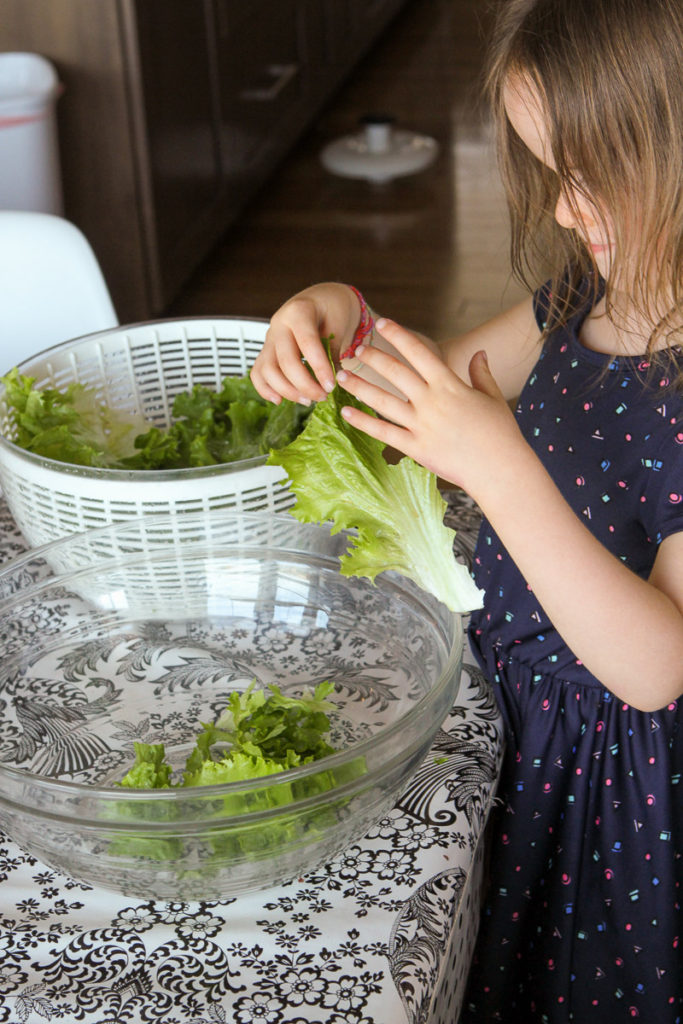
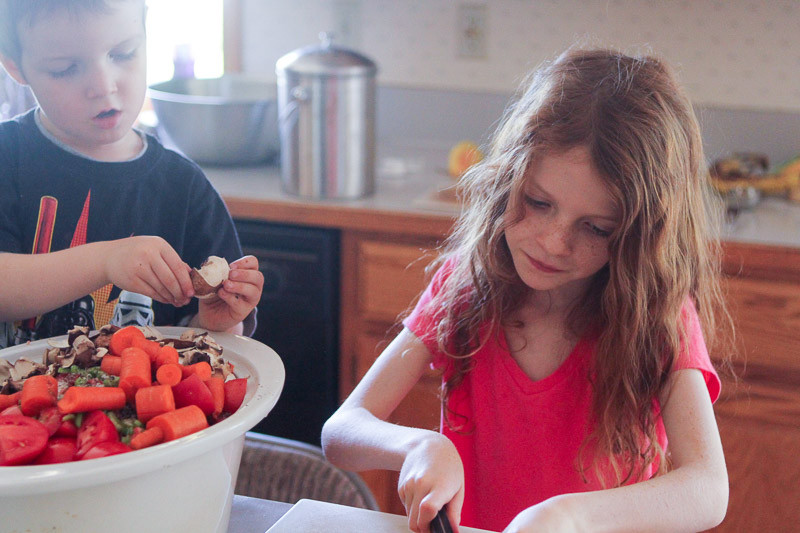
My little kids wash and tear lettuce, set and clear the table, scoop beans into the pressure cooker, and much more.
By 8, they are definitely washing and chopping vegetables and fruits for snacks for themselves and younger siblings. The time investment in involving them pays off down the road, as my 12 year old can pull together a meal with very little help. They’re also familiar with all the things we buy, so they are helpful at the grocery store in picking out produce and filling up our cart.
Don’t feel guilty for getting your kids to help! They are more likely to enjoy the meal if they pitch in. Plus, it gives them important life skills and a sense of contribution and competence that they find satisfying (even if they grumble a bit.)
I just ordered these crinkle cutters so my littler kids can get in on the chopping action.
Also, employ your kids to help clean up after the meal. (Literally employ them if you pay for chores. They’re cheap help!) We all know the dishes and counter wiping add up to extra time in the kitchen. We turn on fun music and clean up as a family. Our 8 year old can do all the dishes except sharp knives and heavy pots, even while the toddler “supervises.”
It might be tempting to put off healthier cooking until you’re less busy (AKA when your kids are leaving the house), but involving them and modeling this lifestyle is an invaluable gift they will take with them and use as adults. You can change your family’s food culture with your kids alongside.
If you aren’t sure where to begin with teaching kids to cook, or you want them to take a self-guided course, I can recommend the Kids Cook Real Food course (affiliate link). Just the section on teaching kids how to safely handle sharp knives won me competent veggie choppers in a hurry! Specifically it taught them technique and catch phrases around how to handle knives that we are still using years later. I can tell my kids “up and over soldier” and they immediately switch their grip on the food they’re cutting.
3. Get kid-free and get hustling!
As an alternative strategy, some moms swear by having the kids occupied with their own pursuits right when the groceries arrive. Then mom (and dad?) can wash, chop, and prep right then when she & he can be most efficient.
I also know other moms who save screen time for the pre-dinner hour so they can move faster to get things on the table.
4. Dramatically simplify your menu
One mom says she sticks with fruit and whole grain granola and plant-based milk or toast with a nut butter for breakfast . That’s every breakfast at her house during this season in her family. It’s dramatically healthier than eggs or poptarts, it’s plant-based, and yes it “counts!” It may not be glamorous, but you can vary the fruit and having a standard breakfast would free you up to devote more brain cells to what you have for dinner.
5. Embrace your time limitations
For the other meals, the same simple-breakfast mom basically makes what she can in an hour a day, which for her means dinner falls under the category of vegetable broth-based soup, healthy pasta and vegetable dishes, veggie burgers with whole grain buns, lentil tacos, and chickpea dishes. That hour would include soaking beans for the next day, sticking some sweet potatoes in the oven for lunches later in the week, etc.
Another mom says she only makes dinners she can prepare in less than 30 minutes. It’s doable if you keep gathering recipes that work for you.
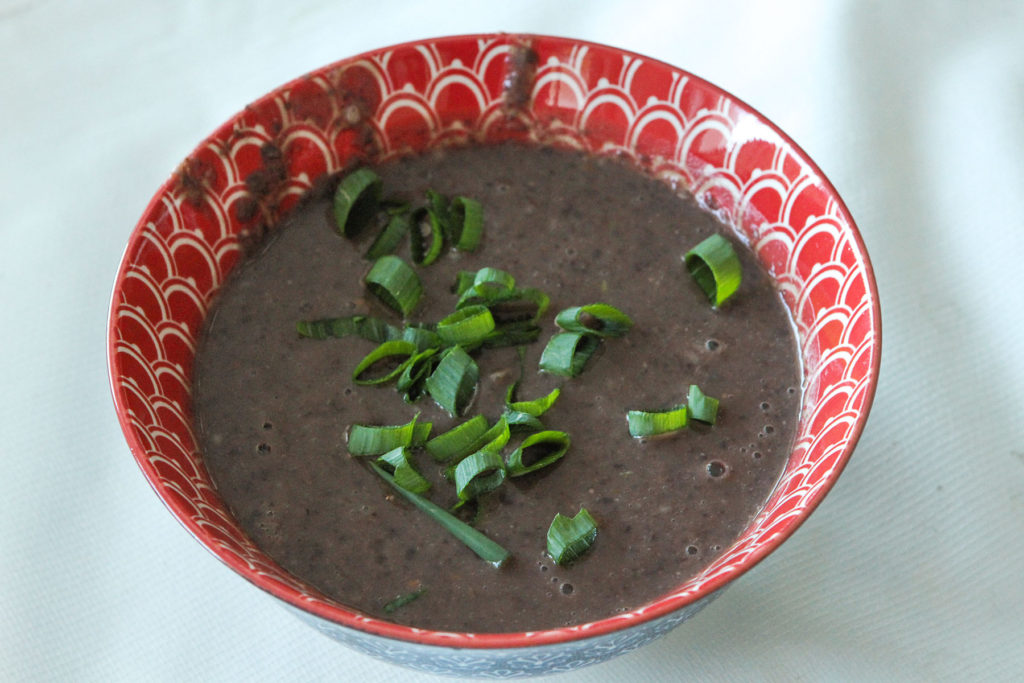
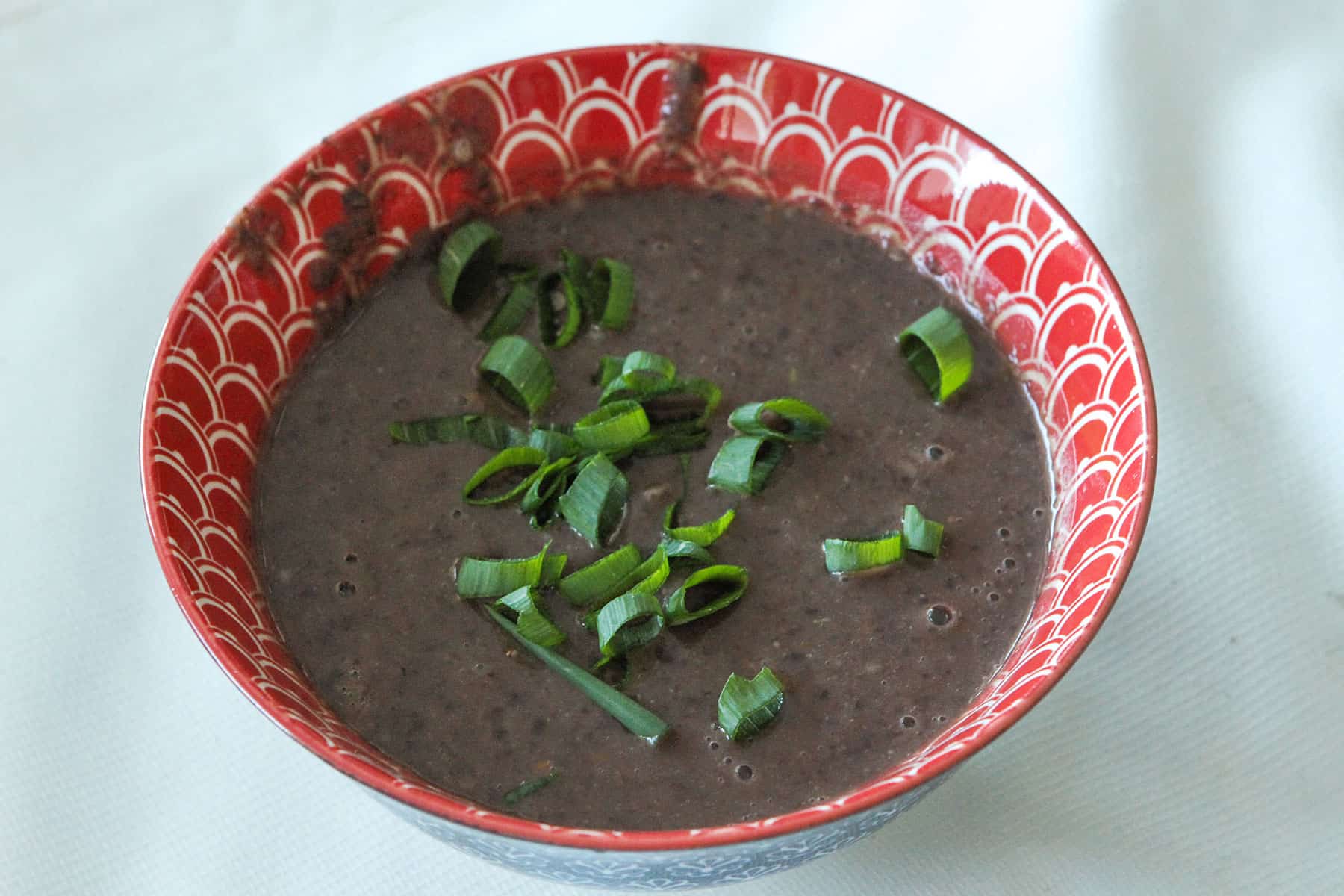
My black bean soup takes 15 minutes and it’s a regular around here.
6. Meal Plan
If you don’t already do this, I would encourage you to try it for several months. It saves lots of stress and scramble, not to mention reducing trips to the store and increasing your efficiency when you can look ahead and prep for a future meal. (If you want help making a once-a-month menu plan, here it is.)
7. Find like-minded inspiration online
If you find yourself spending a lot of time looking for recipes and a lot of time making meals that don’t turn out, this tip may be one to try.
It can be hard to gather fast recipes if you’re trying to start from scratch every time you search for meal ideas. If instead you can follow someone who tends to make simple recipes you like, it can be a gold-mine for quick meal ideas and very encouraging as you improve your family’s diet.
Plantiful Kiki on YouTube is one like that for me! And when I discovered Shane and Simple, I quickly found a half dozen go-to recipes to add to our regular meals. Rather than jump around to different blogs and get hit-and-miss results, try sticking with one.
It’s fast, filling, and easy to vary for seasons and taste preferences. Yum.
9. Make a pot of soup for lunches
Some moms make up a pot of soup on Sunday and serve it all week long, rounding it out with fruit and veggies for lunch.
10. Banish side dishes
Many of us grew up with a main dish of meat and at least one or two side dishes for dinner. But guess what? When vegetables ARE the main dish, you don’t need to prepare main course AND a side salad. It’s fine to do that, but it’s also fine to serve a one-dish wonder like I do most nights.
11. Simplify with roasted vegetables
If you do like a veggie side, several moms swore by simply tossing chopped fresh veggies (broccoli, asparagus, zucchini) or even frozen veggies (cauliflower, broccoli, brussels sprouts) straight on a parchment paper lined sheet pan with some olive oil and salt and pepper. They roast for 10-20 minutes at 400F and make a delicious dish with minimal effort.
You’re aiming for a little bit crispy, but before they burn.
(I need to try frozen because although that saves chopping time, I am wondering if they will crisp up? We loooove roasted fresh veggies though.)
Bonus: Leftovers can be scrambled up with tofu or cooked with hashbrowns for breakfast the next day.
12. Double (or triple) recipes whenever possible
Leftovers are truly a free (from prep-time) lunch… or dinner. You save time with clean-up, planning, shopping, and prepping when you make the same dish stretch for several meals.
If you have a family of leftover objectors, change up the leftovers a bit to make them more appealing. Wrap them in a tortilla or take the time crisp a veggie burger up in a pan instead of just nuking it in the micorwave.
13. Try it in the freezer
We often depend on someone else to tell us if something freezes, but it’s pretty easy to just set aside a single portion, freeze it, and have it for lunch in a few weeks. Then you can mark your own recipe to indicate whether it freezes or not. You have hardly anything to lose, and lots to gain. Freezing meals helps inject variety into your future menus without complicating prep and shopping, and like leftovers, a freezer meal is a “free” lunch or dinner.
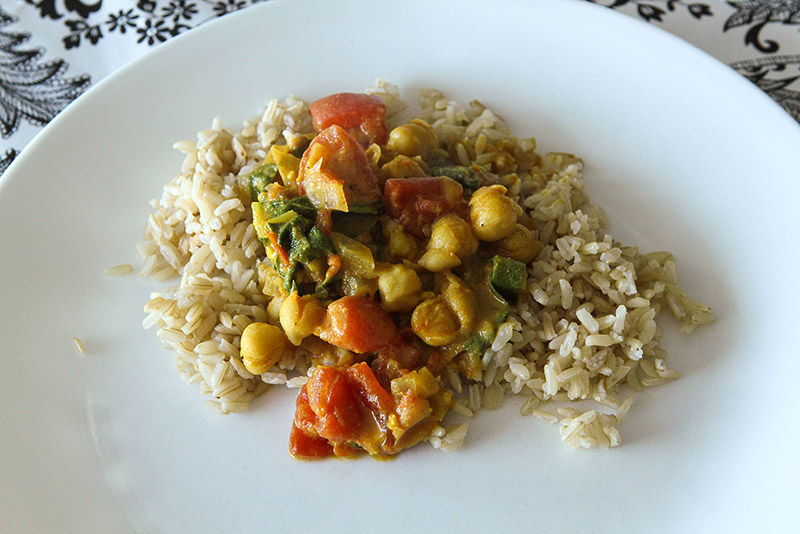
My general rule of thumb is that we will happily eat frozen soup or anything we ladle over rice, as long as it doesn’t have potatoes or sweet potatoes. We aren’t a big fan of the texture of those after they’ve been frozen. (Think chili, lentil soup, chickpea curry, enchilada casserole, etc.) Also, I’ll sometimes leave out leafy greens from the part I freeze and add them when I re-heat the meal. Fresh cilantro, for example, will really brighten up a meal that’s been defrosted.
I have nice big pans so I can triple a meal, and have it last for 2 dinners and a lunch, with a frozen dinner to pull out the following month.
14. Batch cook for the freezer
Some recipes can be frozen easily and don’t lose flavor or texture when thawed, even after many months. I will periodically make a BIG batch of something and freeze several extra bags of it for the following months.
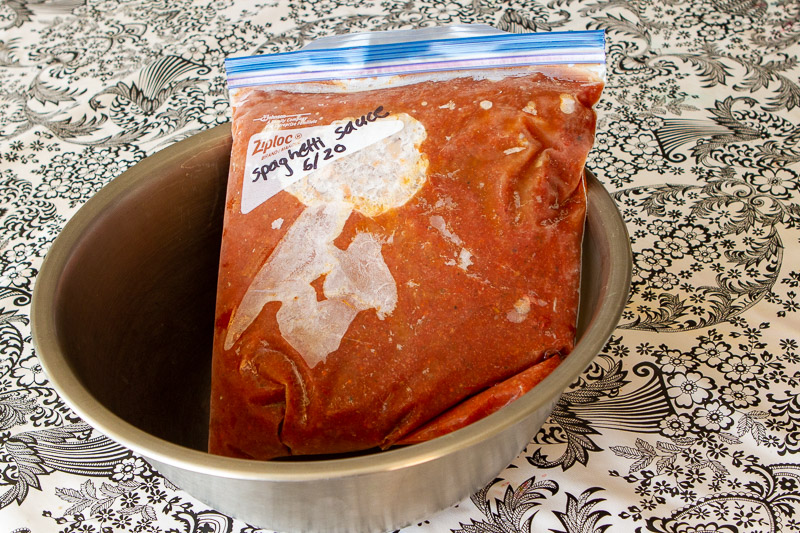
Example: When I make roasted tomato pesto in the summer time when fresh basil and tomatoes are easy to come by, we’ll eat it for dinner one night, but I’ll put 6-8 bags of the sauce in the freezer and we’ll eat it once a month in the fall and winter.
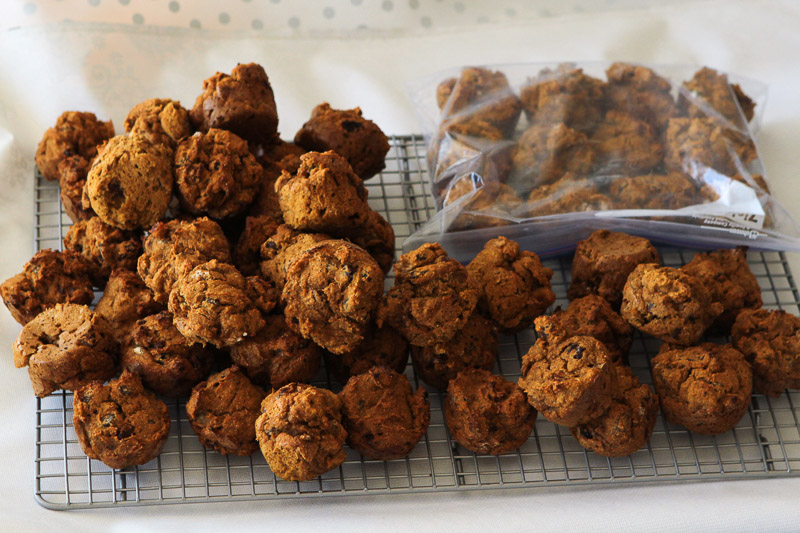
We often eat muffins one morning a week for breakfast, but I only make muffins (and mess up the bowl and muffin tins) every 5-6 weeks and I fill freezer bags for subsequent weeks.
15. Buy pre-cut fresh or frozen
Frozen fruits and vegetables are picked at their peak and free of preservatives. They’re a great option for when you’re feeling tight for time, though sometimes you pay extra for the convenience.
Butternut squash cubes, shredded carrots, chopped onion, fresh or frozen stir fry blends, shredded broccoli slaw, guacamole… there are lots of good options and all are time-savers!
16. Get in the habit of prepping the whole thing
If you’re slicing up some cucumber for lunch, slice the whole thing up for the next few days. Ditto a box of strawberries or an onion. Do a couple extra so you don’t have to pull out the cutting board every day.
Think, “What else can I chop, as long as I’m chopping?” and picture yourself a karate master honing your mad chopping skills. Ha!
17. Choose a menu that carries over ingredients
I loved this example from Rainbow Plant Life on YouTube:
She re-uses ingredients in multiple meals so weekend meal prep is under two hours, but there’s variety during the week. There’s no need to re-invent the wheel, and you can totally use some of her meal plans. But as you build your own list of meals your family likes, you can also just look for ones that group well together for easier prep because they have overlapping ingredients.
18. Invest some time in learning
Not a karate chopping master yet? Maybe your knife skills are weak, you haven’t ever figured out how to use that Instant Pot, or the food processor intimidates you. Sometimes the best way to speed up is to slow down and master some basic skills that will continually help you. I highly recommend watching some YouTube videos and practicing. I changed the way I chop sweet potatoes and it takes 1/3 of the time now! (I used to slice into rounds first, now I chop long sticks first.)
19. Get a good chopping knife and a sharpener
An excellent knife makes a tremendous difference in speed. You can find a good one for less than $30, which blows my mind, and my husband swears by this inexpensive knife sharpener.
If you’re limping along with sub-par tools, recognize that cooking at home (efficiently enough so you aren’t ordering take-out as a last resort on the regular!) saves so much money.
20. Use your food processor!
Lots of people have one just gathering dust, and this appliance can speed up prep time considerably. This is especially true if you run several meals worth of veggies through there at a time.
You’ll quickly get the hang of putting it together and taking it apart, and don’t be intimidated by the time it takes to wash up afterwards. If you do it promptly, and you’re not using oil, a quick rinse easily takes care of the mess.
21. Choose chop-free snacks
Rinsing blueberries takes seconds, bananas come with an easy to remove wrapper, snap peas are ready to go, baby carrots are fuss-free, etc.
Frozen peas are a favorite here. (PSA: Use defrosted peas for toddlers and for heaven’s sake don’t let them walk around eating a choking hazard (like I sometimes do, apparently)! Always consume at the table.)
22. Get a jump on dinner the night before
If you can pull something out of the freezer, get some quick chopping done or ingredients measured out the night before, things will go much more smoothly the next day! You’ll have your plan in mind and the initial momentum already going. A few minutes of preparation can save you from the desperation drive-through.
23. Fill kids up on intact starches
They’ll be less munchy all day if they’ve had meals with plenty of brown rice, sweet potatoes, oatmeal, quinoa, etc. Sometimes people new to this way of eating don’t eat nearly enough at mealtime, so they feel the need to graze all day long. That leads to a messy kitchen and constant requests for snacks. Encourage everyone to eat plenty at a meal and then clean up and give yourself and your kitchen a break.
24. Stay the course
Many moms expressed how much more efficient and comfortable they got after they had been feeding their families this way for a while.
25. Find your own balance
Each of us will find the areas where we choose to compromise (store-bought tortillas, a regular dinner out, store-bought hummus, simpler recipes, etc.) to make this workable for our families.
Don’t let perfectionism prevent you from making positive change!
26. Funnel time to the kitchen
There is a lot you can do to streamline your time in the kitchen, but you may need to spend less time in other areas in order to devote some time to cooking. Moms are constantly juggling different priorities.
Personally, I have lower standards in some areas to allow me to make healthier food for my family. I don’t fold my little kids’ clothes (or washcloths or rags…) , I let my kids do chores around the house and call it “good enough,” I rarely (almost never) wash windows, etc.
27. Make kitchen time count for double
Time in the kitchen can be made much more pleasant and/or productive.
Why not:
Listen to podcasts or an audiobook
Call a friend or a parent
Catch up on Youtube
Listen intently to any kid that stops by to chat
Enjoy one-on-one time with a kid who is your kitchen helper for the week
Just relax and listen to music you love.
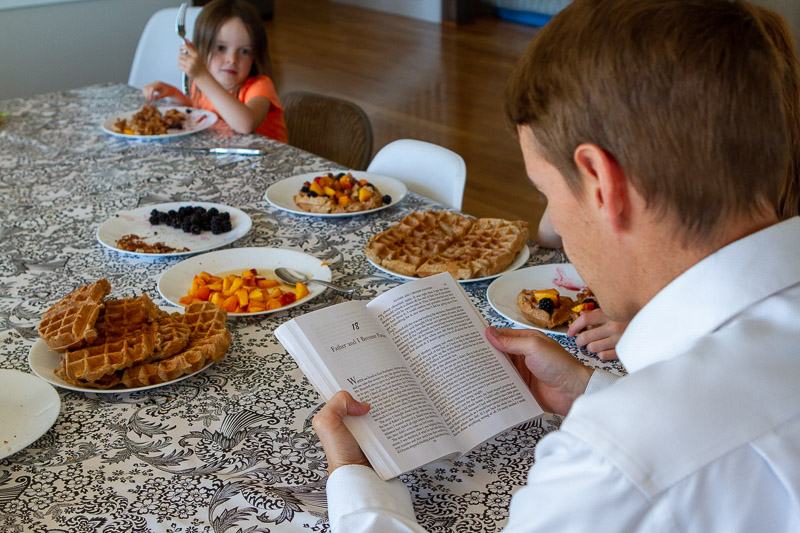
If the pre-dinner hour is chaotic in your house right now with a fussy baby or melting down older kids, I highly recommend making use of a more peaceful block of time to prep and cook. Nap time, night time, while your kids are happily eating lunch, on the weekend, or while your husband reads to them during dinner… any of these times are good candidates to take pressure off you to cook during The Witching Hour.
Where is Mama when this picture was taken? Ok, I was behind the camera but before and after I was enjoying listening to my husband read while I put on some hustle in the kitchen, throwing things in the Instant Pot so dinner would be all taken care of.
28. Don’t discount clean-up time!
For a long while I was perplexed at how I could get dinner on the table fast, but I was still spending “forever” in the kitchen. Then I realized I as moving so fast that I made a major mess to deal with after dinner. This deserves a whole post, but for now just consider that all the wiping and washing is a factor as well, so, for example, using fewer pots and pans can help.
29. Check your facts
One of the most helpful things I’ve done to make my kitchen time more efficient is to simply use a kitchen timer (or the stopwatch on my phone) to time how long different tasks and dishes make.
How long does it really take me to peel and chop a butternut squash? I only have to tap a button one time and I can find that out. That information can then inform whether I want to buy that vegetable pre-chopped or perhaps even avoid recipes that call for chopped squash in my menu plan, etc.
Using a timer has also let me see which recipes actually can be cooked in the advertised time! I scribble right on my recipe how long it took ME from start to finish.
30. Check your thinking
Your attitude matters a whole lot, so if you find you’re complaining a lot (even to yourself) about time spent in the kitchen, you might try focusing on your gratitude for the mouths you have to feed and for the abundance of healthy food you have to work with.
Just like some of the other mundane parts of mothering, doing it with love feels better.
Help your fellow Mamas out!
Please comment and share how you save time in your plant-based kitchen.
One sneaky expense of cooking from scratch is those darn little bottles of herbs and spices. We love cooking a lot of different ethnic food, which means lots of lovely flavors, but we’re a big family and the costs of all those seasonings add up!
The good news is, you don’t have to pay for those pricey grocery store bottles. Here’s my best advice on how to approach spices, where to shop for them, and how to store them to maximize your money.
Start at Costco
If you have a Costco (or Sam’s Club?) membership, start there for spice shopping.
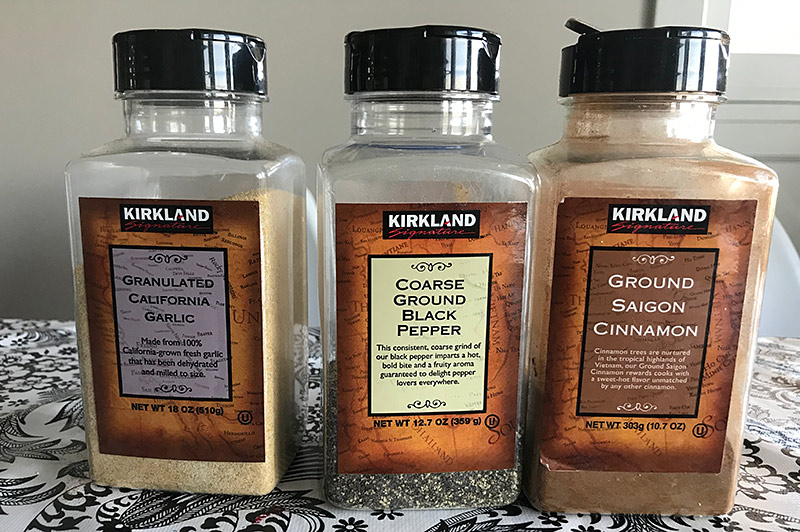
Cinnamon is practically a food group around here because we use it so liberally on oatmeal and muesli. One of the principles of lowering your grocery budget is pay attention to the things you eat/buy often, because savings there move the needle more.
We also buy dried onion, garlic powder, ground black pepper, and a salt-free seasoning blend at Costco. Pretty much anything they sell that we use often is a good candidate.
To give you an idea of how much you can save this way:
Today at Safeway, I could buy a 2.37 oz bottle of cinnamon for $3.49 (McCormick), $2.49 (Private Selections), or $8.49 (Morton & Bassett).
Today at Costco, I could buy a 10.7 oz bottle of cinnamon for $3.49. It’s great cinnamon, and even if Morton & Bassett is better, I don’t value it as 11x better. Yet, it’s 11 times the price per ounce!
Find Your Local Ethnic Food Stores
I don’t know where you live, but chances are there is a Mexican food market and/or an Asian food market somewhere in your vicinity that you might not even be aware of. They tend to be located in non-descript strip malls, so they can be easy to overlook.
They are a GOLD MINE for inexpensive spices.
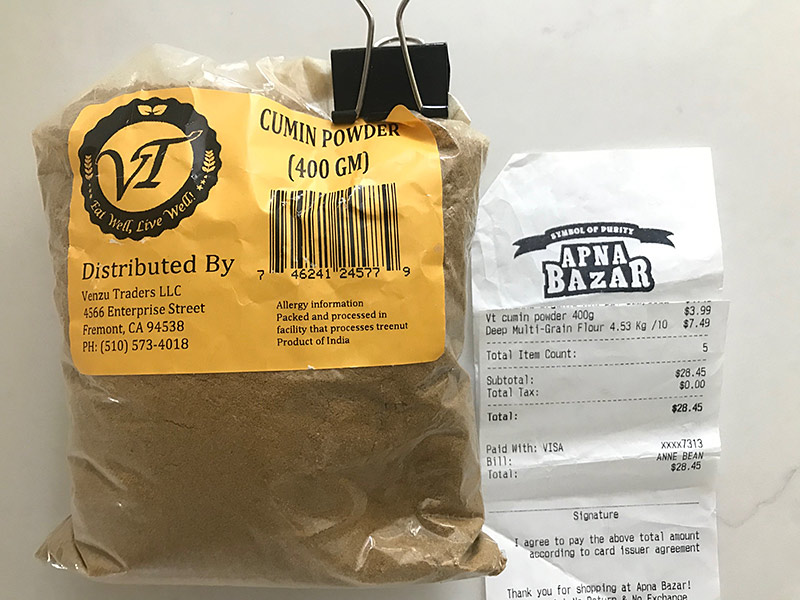
Today you can buy ground cumin from Safeway for $3.99 for a 1.5 oz plastic bottle. That same $3.99 price tag bought me a 14 oz bag of ground cumin at Apna Bazar. Even the big bulk bottle of ground cumin at Safeway is $9.49 for 4.5 oz. I paid essentially $1.27 for that amount simply because I ventured into an Indian grocery store instead.
Is there a difference in quality? Maybe. I haven’t found personally found that to be the case (except for the superior quality of Penzey’s, mentioned later).
For most people, the only different in quality they might notice is if a spice is less fresh or potent. The solution for a spice that is less potent is simply to increase the amount you use. The cumin I bought from Apna Bazar was lovely and flavorful, but if I theoretically did need to add more if it, it certainly wasn’t 9 times more! 🙂
Look for Bulk Bins
If you’re trying a new recipe and only need a little of a spice, purchase it in the bulk bins! You won’t need to buy a whole bottle of something you won’t use again, and the price is often less per ounce. This is a cost saver, as long as you aren’t too heavy handed. You can even bring a tablespoon measurer after you’ve put some in your bag to help you estimate if you’re in the right ball park.
Remember to Shop at YOUR Grocery Store
Take the time to create a price list of your local grocery stores, so that when you do your regular shopping, you’re continually reaping the savings. It wouldn’t make sense to include every spice you use on your price list, but if you just compare a handful of spices from store to store, you’ll find a pattern that points to YOUR best store to shop for spices.
I compared my local Winco with my local Safeway and found that Safeway was often twice the price for the little spice bottles:
Look all the Options (and Check the Cost per Ounce!)
Even if you’re at the right store, you’ll likely have a flood of options.
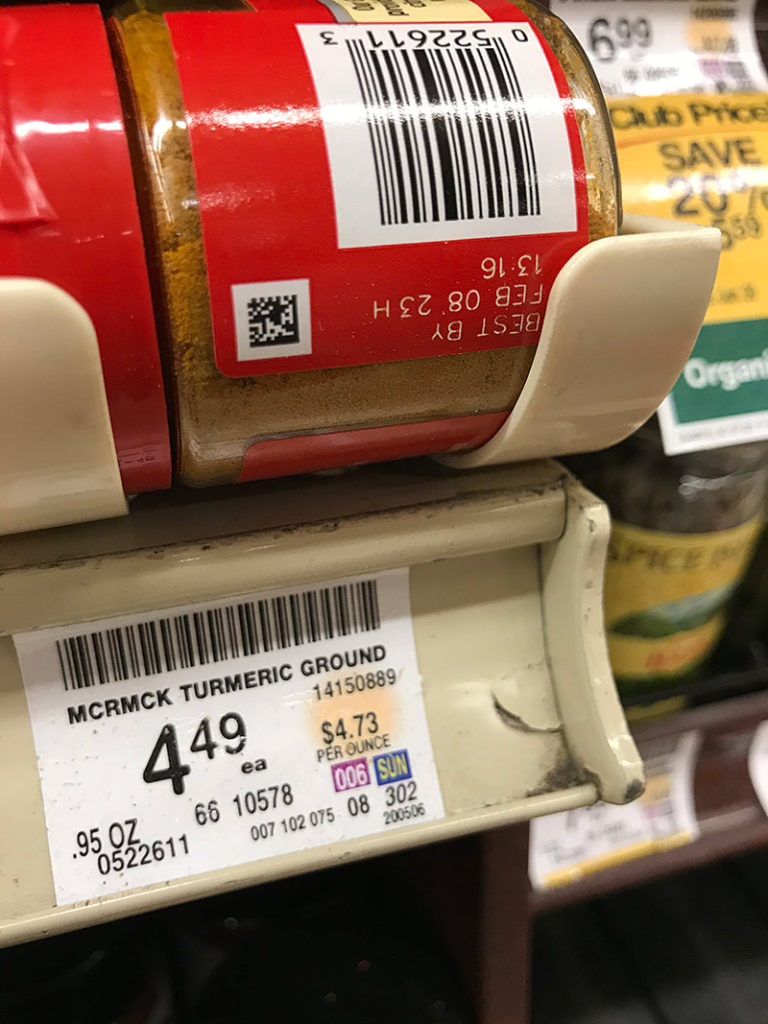
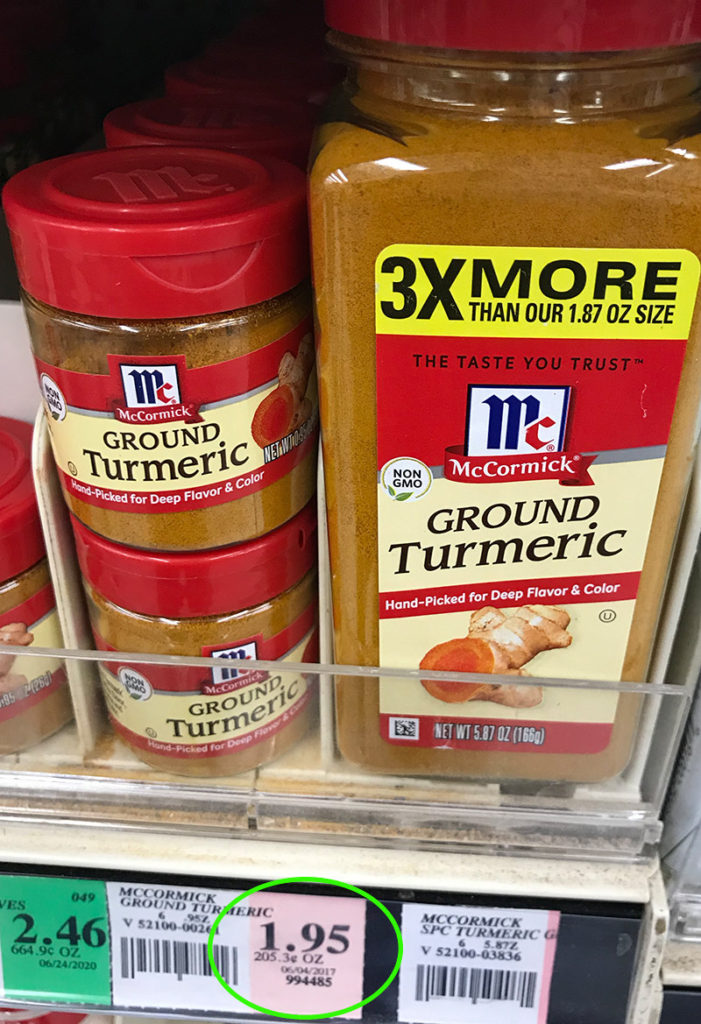
Of course the store doesn’t line up all the bottles of turmeric next to each other so you can compare. You have to check for every brand and every size bottle! Fortunately the cost per ounce is listed on the label, so it takes less than a minute and can save you a dollar or more per spice. I don’t make $60/hr while grocery shopping very often, so it’s worth my time to scan the shelves a bit!
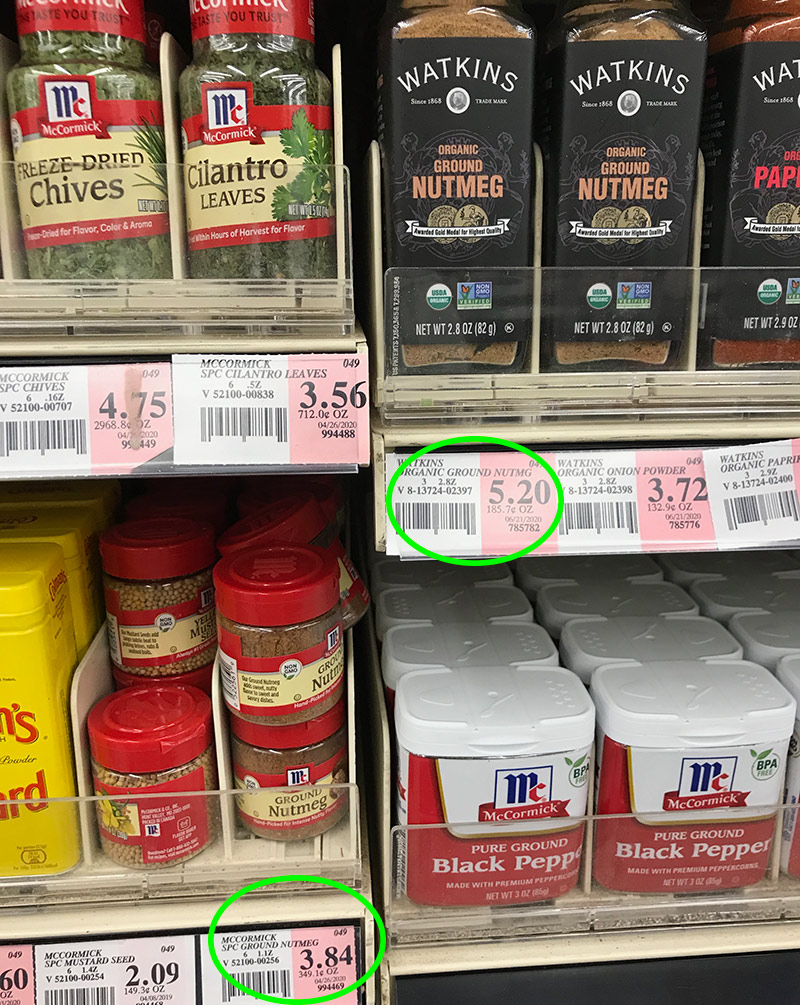
In this photo, you can see that a bigger bottle of fancy-pants organic nutmeg was almost half the price per ounce of the more standard McCormick nutmeg (185.7 cents vs. 349.1 cents per ounce):
Don’t forget to check the ethnic sections even within the store: At Safeway, the cheapest curry powder in the spice aisle is $7.49 for 1.75 oz. If you look with Mexican food, however, you’ll find a baggy of curry powder for $1.99 for 1.5 oz. That’s a much better price, and definitely worth getting to see how you like the flavor! If you try it and like it, you’ll save $5 every time you buy curry powder.
Consider Penzey’s Spices
This is not a sponsored post at all. Penzey’s doesn’t know I exist!
We used to live just around the corner from a Penzey’s Spice Shop and I loved walking over there with my little kids to peruse the gorgeous arrays of flavors from around the world. They have samples to sniff and cool descriptions to help you distinguish between Turkish Oregano and Mexican Oregano, or Sweet Paprika and Half-Sharp Paprika. They often throw in free bottles and stickers with your order and ours had the sweetest older ladies working there.
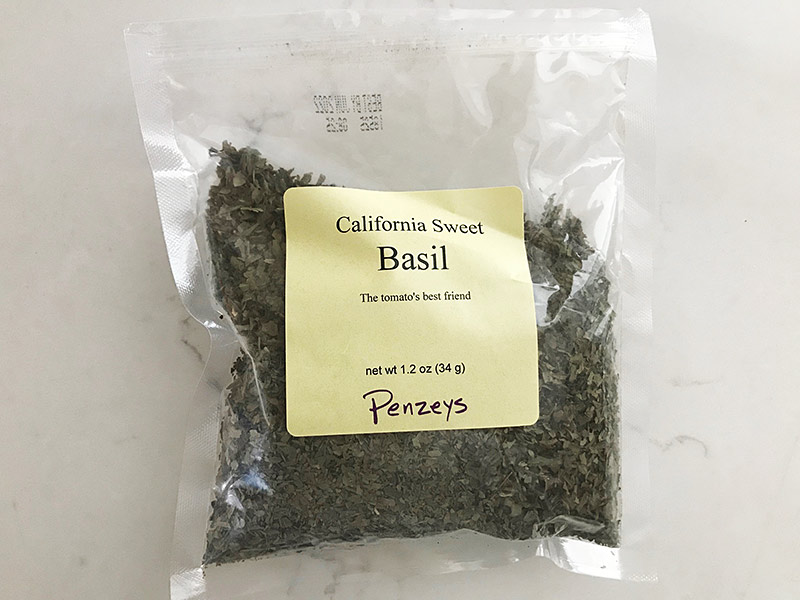
The good news for my budget was that although their prices are top-quality, they are very affordable when you buy them in bulk bags, rather than in the glass jars.
We don’t have one close by anymore, but we still often choose to stock up on spices by buying them online (they even sometimes have sales!) through penzeys.com .
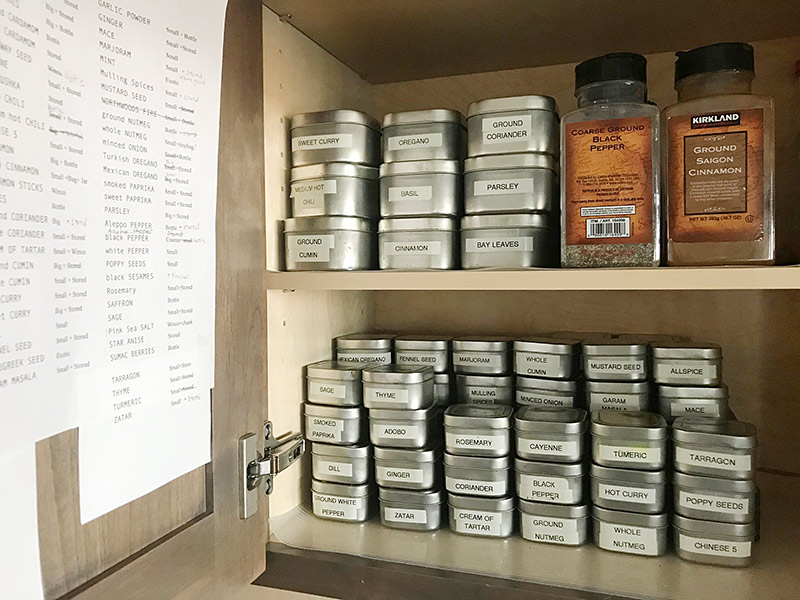
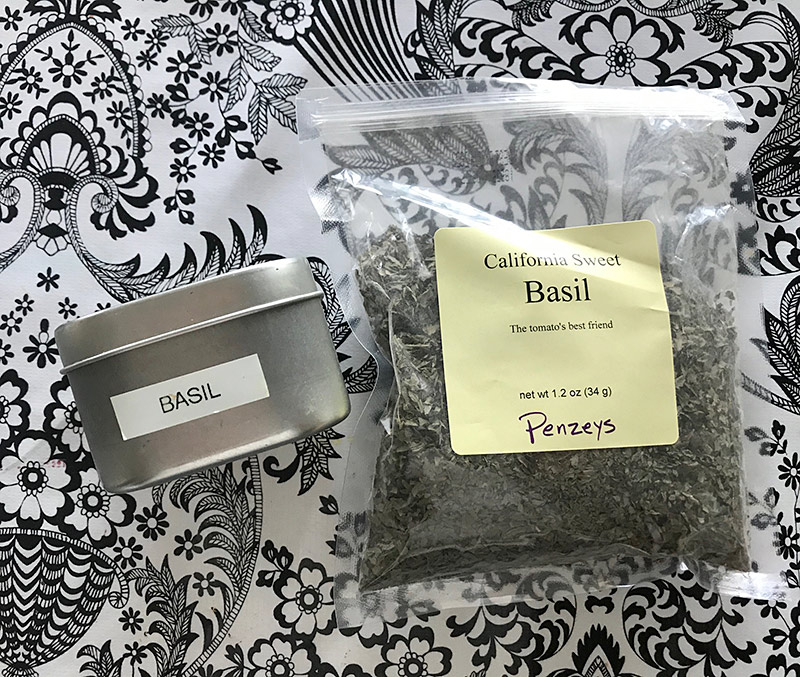
With a little label making magic, these have been work horses for over a decade. I can tell at a glance where things are without alphabetizing.
(I do have a cardboard box in my pantry with all the bulk bags for refilling the containers every handful of months, and I go ahead and just keep the big Costco bottles next to the cute containers because I don’t want to mess with refilling those.)
Here is a price comparison:
Safeway McCormick Oregano is $3.99 for .75 oz, Spice Island Oregano is $6.99 for .6 oz. Penzey’s is $6.69 for .8 oz, but it’s $14.95 for a 3.2 oz bag. So when I purchase a large quantity, it’s slightly cheaper than I could buy at the grocery store, and the quality is outstanding.
Spice Inventory List
I don’t consider myself a highly organized person. At all, actually.
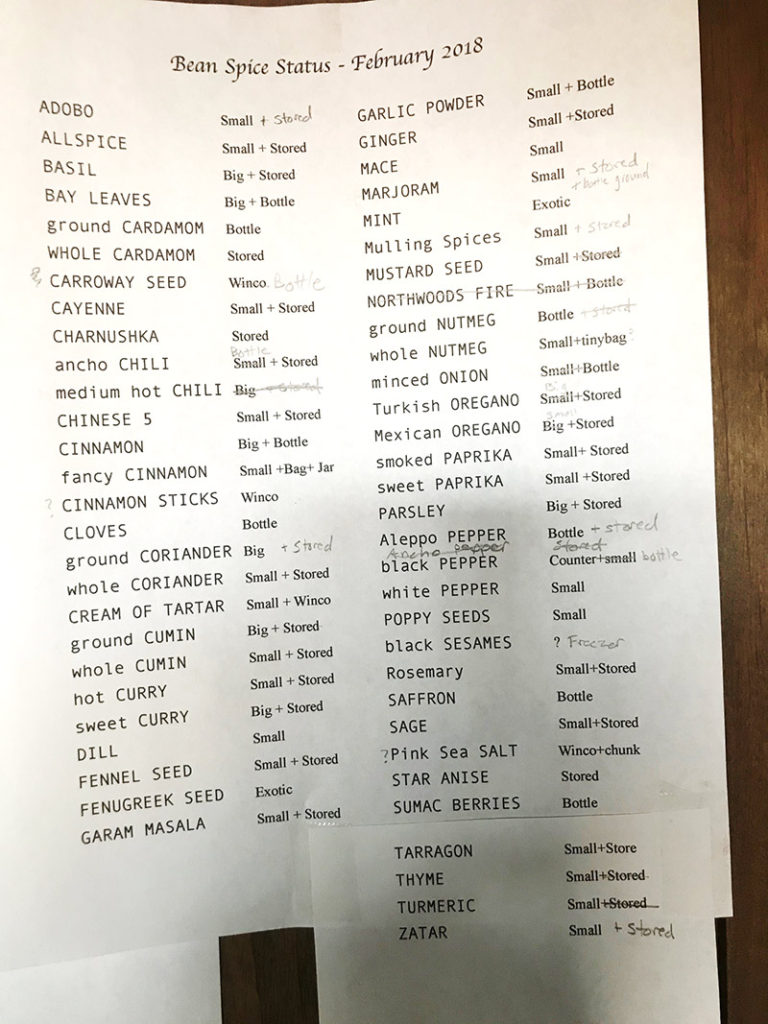
But I do have a piece of paper taped inside my cupboard that is alphabetized. I can quickly check our status on the obscure spices we have accumulated and easily note the ones I’ll want to purchase the next time we place an order at Penzeys, so that I will order enough to qualify for free shipping of course!
I’ve been marking this particular copy up for several years, just erasing and re-writing as needed.
Proper Spice Storage and Shelf Life
There is a lot of information out there about how to pamper your spices.
Here’s your dose of reality from a real mom: I keep my spices in a dark place at room temperature AKA my kitchen cupboard and a cardboard box in my pantry, because heat and light will shorten their shelf-life. However, I don’t sweat expiration dates. We tend to use up most of our spices within a year or so, but the more obscure ones might sit around longer and lose some potency. I just add a slightly greater amount to the recipe for more flavor if I need to!
Buying whole spices and grinding them fresh (for things like cumin and coriander, for example) will extend their shelf life. Storing spices in the fridge or freezer will extend their shelf-life. But I just keep mine in the cupboard and it’s worked great for over a decade.
So, there ya go. Make delicious food, save money, and stress less.
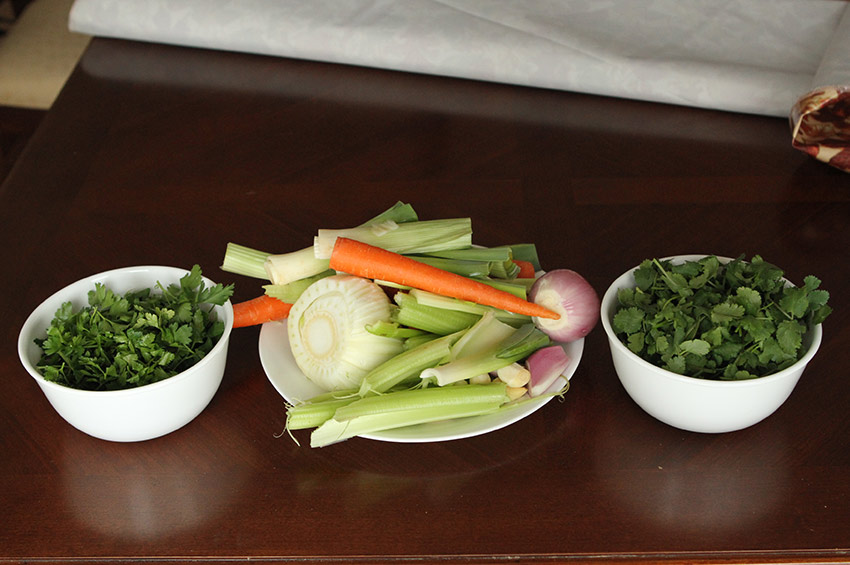
About every 6 months, I take an hour or so to transform this:
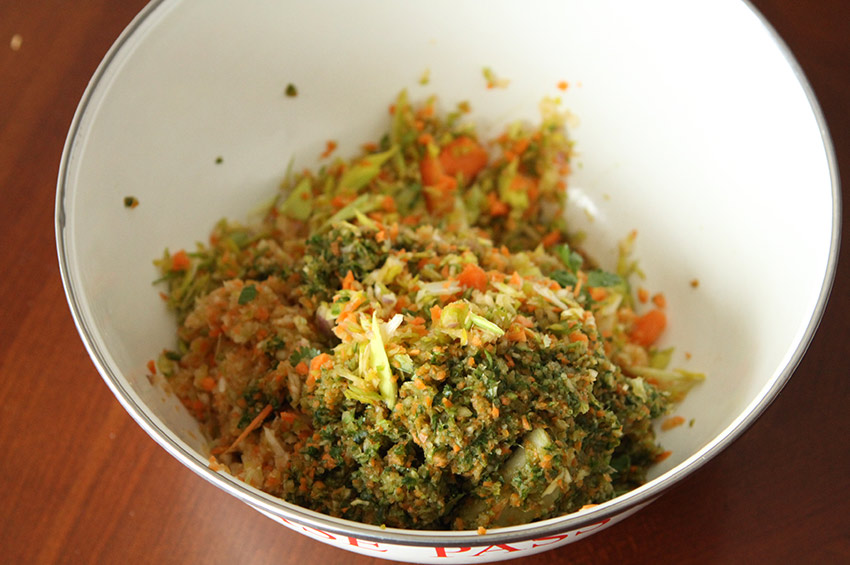
Into a homemade vegetable bouillon I can stick in my freezer. I pre-chop a bit and then pulse the vegetables in batches in my food processor. The optimal texture is shown in the front of the picture below. The veg in the back still needs more pulsing.
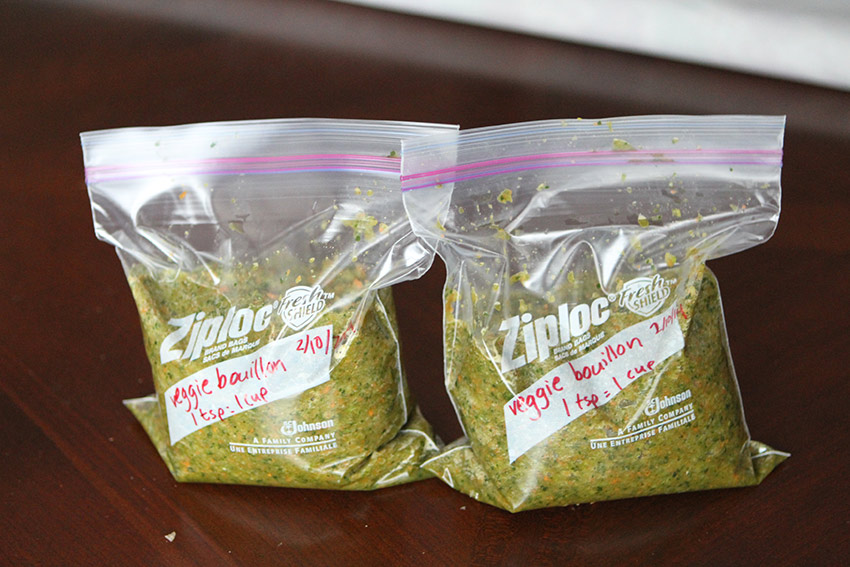
Ultimately, it’s a thick mash that never freezes solid because of the salt content. I pop it in freezer bags and always have it to make instant vegetable broth.
Homemade Vegetable Bouillon for the Freezer
A few times a year I make up a batch of vegetable bouillon to stash in my freezer. I never have to buy broth for my cooking, and it's so handy to just scoop out what I need.
5ozleeks, white and light-green parts only (from 3 leeks), roughly chopped
7ozfennel bulb (from 1-2 bulbs of fennel), roughly chopped
7oz carrots (from about 4 large carrots), roughly chopped
7ozcelery (from about 2 large ribs of celery), roughly chopped
3.5ozshallot, peeled (from about 2 large shallots)
3medium clovesgarlic
9ozkosher salt (about 1 cup)
1.5ozparsley (about 1 big bunch)
2ozcilantro (about 1 big bunch)
Instructions
Basically you just pulse everything in the food processor! I do mine in batches.
Store it in 2 different quart-sized ziploc bags in the freezer.
Notes
I do use a kitchen scale, but I’m sure the recipe is forgiving!Once it’s made, the high salt content keeps it from freezing solid, so it’s easy to scoop out one round teaspoon with one cup of water to make one cup of vegetable broth.I did a blind taste-test between broth made with this homemade bouillon and broth made with the Better Than brand vegetable bouillon and my husband and I both prefer this. It has a brighter flavor, and I’m happy to have one less processed food with random additives in it.TIP: I only pre-chop enough so that I don’t have big pieces that don’t pulse well. Otherwise, I let the food processor do the work!
While many people experience immediate and ongoing weight loss on a plant-based diet and love that they can eat a high volume of food and stay a healthy weight, there are others who plateau before reaching a healthy weight.
Of course “eat fewer calories” is one approach, but counting calories and obsessing about portion sizes is not very sustainable. Plus, many people come to a plant-based diet wanting to be able to eat until they’re full and relax about portion size.
Here are four things you might adjust if you find yourself eating plants but not losing weight. The good news is that once you reach a healthy weight, you can add back in some of those things you’ve been skipping.
1. Don’t eat so many nuts.
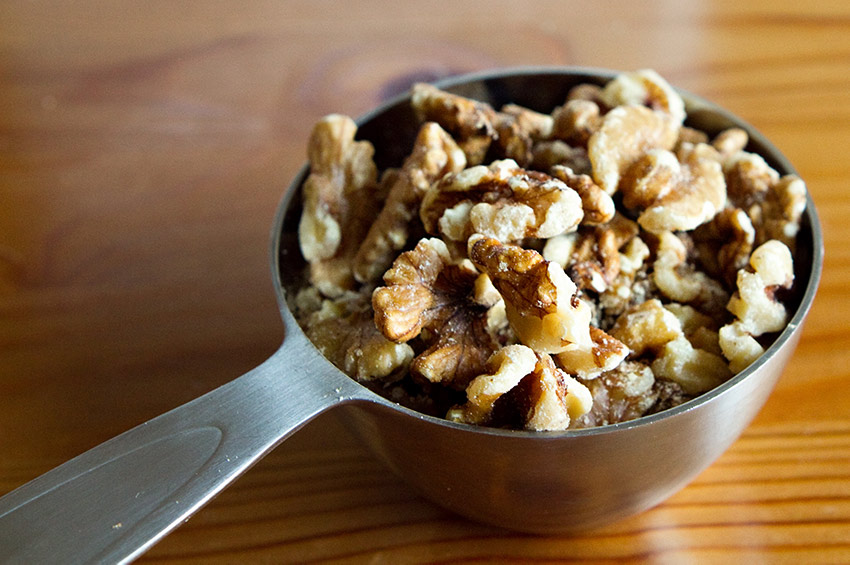
Nuts, along with avocados and seeds have the highest caloric density of any plants. It’s very easy to overdo it on nuts because they are delicious, easy to snack on, nice to spread on bread in their butter form, and they’re a common star of many rich and creamy plant-based dishes. All that adds up to a lot of calories!
If you’re in the process of losing weight, limit yourself to just a handful or a quarter cup of nuts a day (and go easy of the avocado while you’re at it).
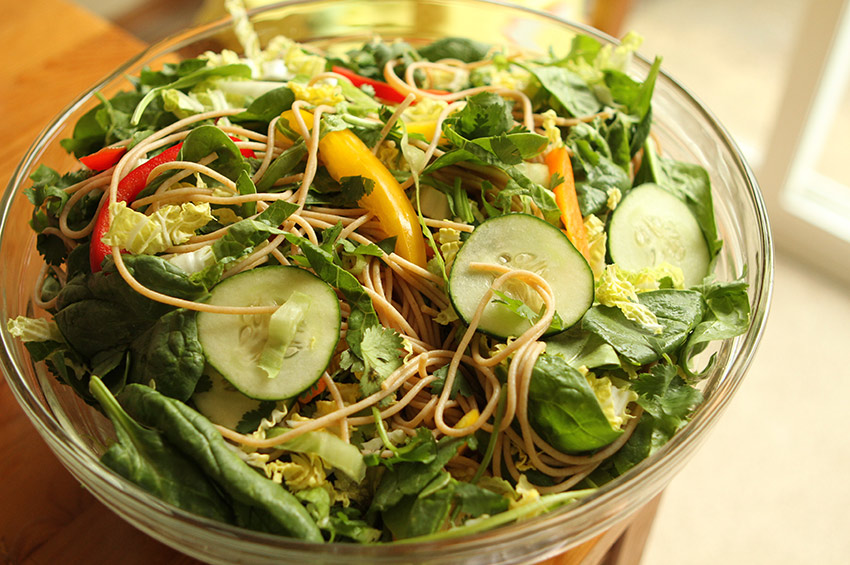
2. Fill half your plate (or bowl) with non-starchy vegetables.
On the other side of the caloric coin are the unsung heroes of the plant-based diet. Non-starchy vegetables are low in calories, high in bulk to fill your stomach, and they’re high in nutrition.
Dr. McDougall recommends in his fantastic book, The Starch Solution (aff.), that if you are wanting to lose weight, you should fill every plate of food you eat half with non-starchy vegetables. Think broccoli, steamed chard, cucumbers, peppers, spinach, or snap peas, as opposed to beans, rice, pasta and potatoes.
If you go back for seconds (and you should! Fill up at mealtimes!), make sure to fill each plate half full with those non-starchy vegetables. If you don’t like many yet, give yourself a chance. Remember that tastes change, and this is just while you’re actively trying to lose weight.
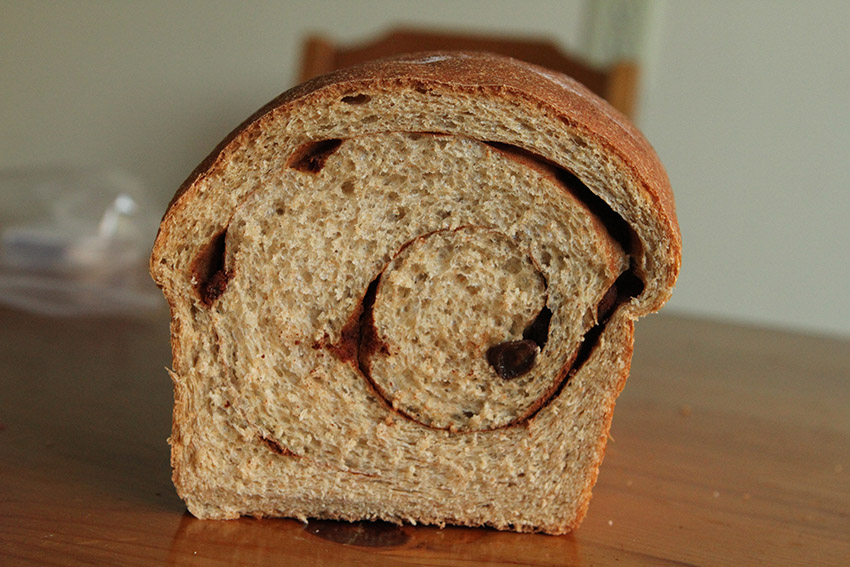
3. Watch your (even whole grain) flour intake
Even if you are eating a whole food, plant-based diet, it’s possible to overdo it on baked goods. Whereas whole grain pasta acquires a lot of water in cooking and tends to fill your stomach without so many calories, breads don’t have that effect. If weight is still an issue for you, try to build meals around intact grains like oats, rice, and quinoa, rather than processed grains like those found in pancakes and toast.
Here’s a helpful (and highly entertaining) guide on navigating the bread aisle at your grocery store:
4. Put a time-limit on your eating.
Our late-night snacking is rarely the healthiest, and restricting your eating window is an effective way to reduce your overall caloric intake without going hungry since your body will adjust to it fairly quickly if you’re consistent. Time-restricted eating appears to have benefits outside of weight loss as well. Even just cleaning your kitchen (and your teeth!) at 7pm and eating breakfast at 8am gives your body enough time to reap the benefits.
Further Resources
Along with The Starch Solution mentioned previously, the book How Not to Diet has solid science-driven help for weight loss on a plant-based diet.
Dr. Greger, the author of How Not to Diet, has a free app called The Daily Dozen that makes it easy to track and daily check-off the recommendations he makes for optimal health and healthy weight.
Don’t jump to a different “diet” for a quick fix. Stay the course. Here’s an excellent video addressing how keto and plant-based diets compare for weight loss and overall health:
Finally, I can recommend Plantiful Kiki’s content on YouTube. She has chronicled her weight loss following The Starch Solution, and I’m inspired by her simple but lovely everyday meals.
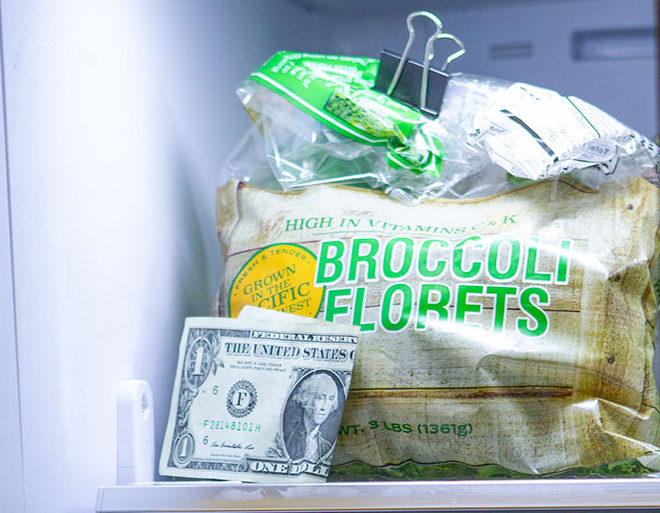
The very best way to save money on vegan groceries is….
Waste less food.
See? No one likes to acknowledge the wilty lettuce that got shoved to the back of the fridge or the questionable cooked brown rice that overstayed its welcome, and we certainly don’t want to think that we paid money for them!
Of course we don’t buy things intending not to eat them, yet a recent study estimates the average American household as wasting around 30% of the edible part of food they buy. That percentage is statistically higher when the household is eating a “healthier” diet. Ouch.
When you eat a whole food plant-based diet, that often means a lot of produce.
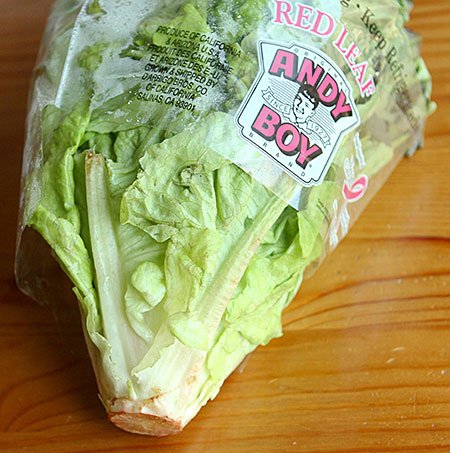
Lovely, vibrant, fresh and crisp produce. At least, it is that way when you bring it home! Give it a few days, especially when you store it improperly, and that produce is not looking as lovely. It may even be giving you some guilt trips whenever you open the fridge.
Not wasting food is easier said than done, but here are 5 simple, actionable ways to reduce the food you waste, and hence cut your grocery budget. Every bit of food you throw away is like tossing money in the trash, so it’s worth upping our game a bit.
#1 Store Your Produce More Carefully
This deserves a whole blog post on its own, but suffice it to say that many people are halving the life span of their produce just by not taking care when they get back from the market. Here are some quick tips:
Pop your fridge produce right in there as soon as you get back. Any time spent at room temperature will take a toll on your most fragile food (leafy greens!)
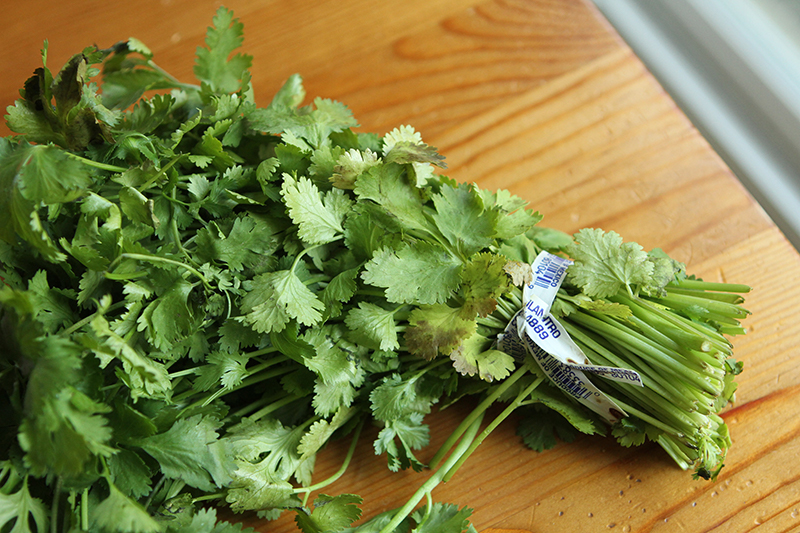
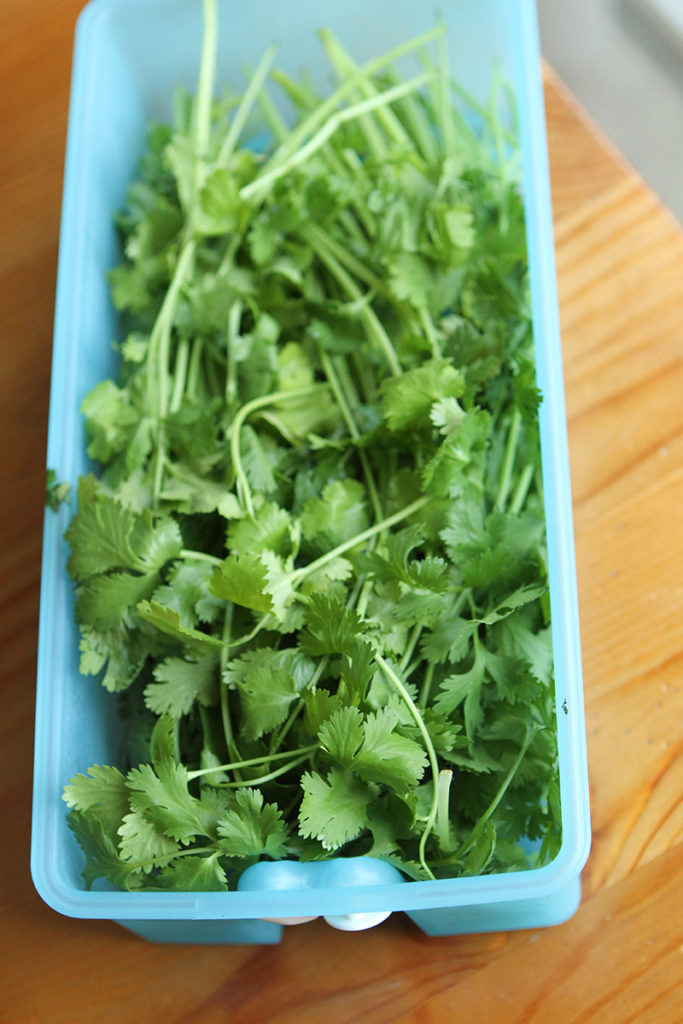
Cilantro will last a week if you take a minute to unbunch it and toss all the slimy parts as soon as you bring it back from the store. You can leave it in the produce bag as long as it’s not wet in there, or store it in a tupperware.
Here’s 7 days left in a bunch (wilty and has slimy and yellow bits, though still salvageable):
This bunch was bought at the same time but stored properly and it looks better after a week than when I brought it back from the store!
3. Apples go in the fridge. They’ll stay crisper much longer.
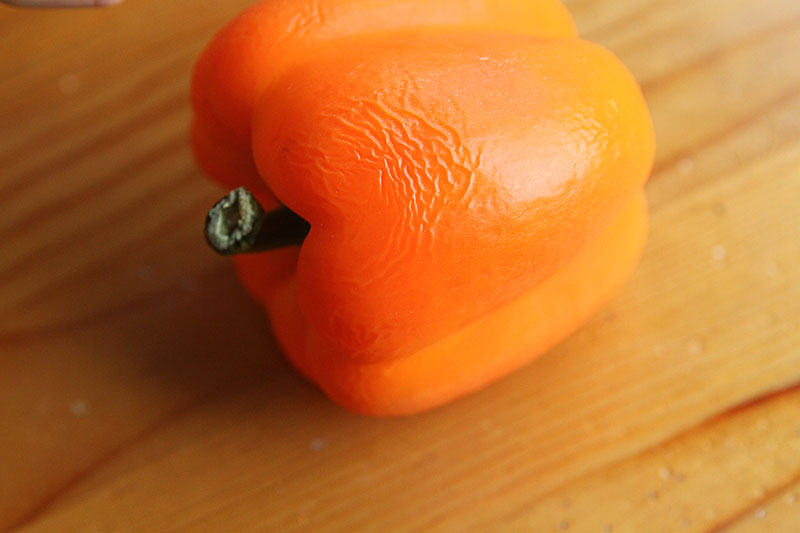
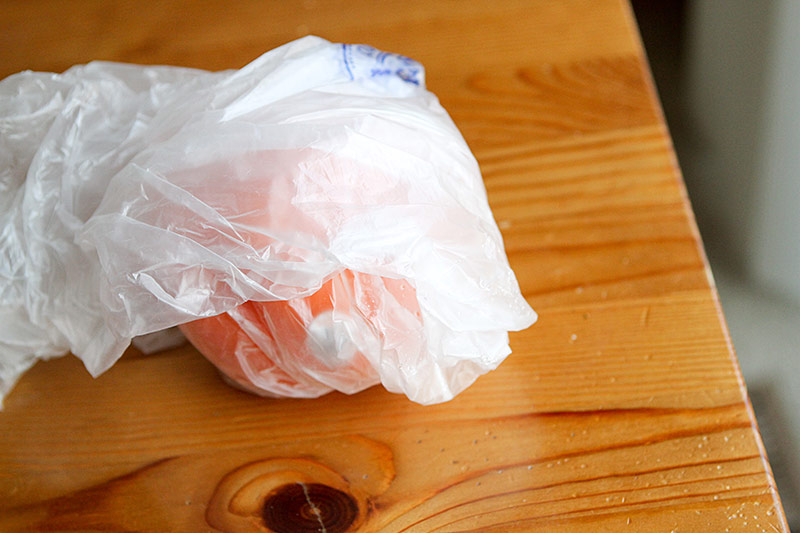
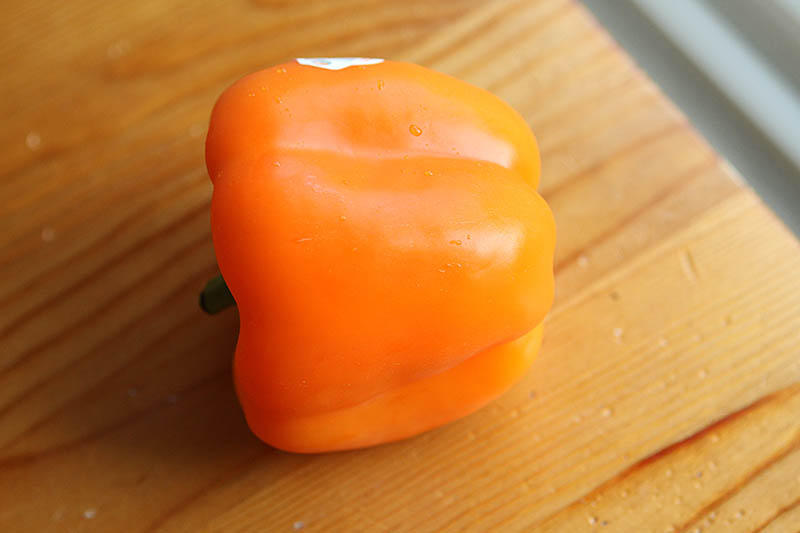
4. Bell peppers stay in their plastic produce bag, but make sure it’s not wet in there!
After a week sitting on a fridge shelf:
If instead, you make use of the humble produce bag:
5. Green onions that are starting to look a little peaky can easily be put in a glass of water by a kitchen window and start growing again. (Remove any dodgy bits first.)
6. Limp celery? Droopy (but not brown) lettuce? Put it in cold water and watch the magic happen. They’ll re-hydrate and be right as rain.
7. Perfectly ripe avocados will only last a few minutes on your counter (am I right?) but in the fridge they’ll stay perfect for a week or two.
#2 Store your leftovers better
Does this poem resonate at all?
Deep in Our Refrigerator
Deep in our refrigerator,
there’s a special place
for food that’s been around awhile…
we keep it, just in case.
‘It’s probably too old to eat,’
my mother likes to say.
‘But I don’t think it’s old enough
for me to throw away.’
by Jack Prelutsky
Get Decent Storage Containers
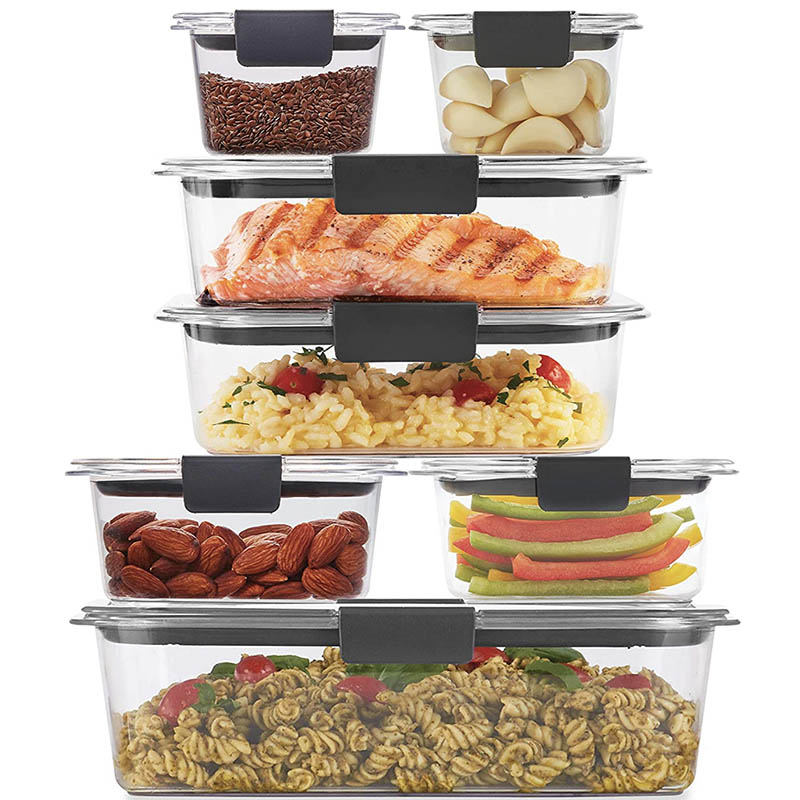
I used to have a tupperware shelf that was full of mismatched, oddly shaped and often opaque containers. I invested $50 in nice, uniform, clear rectangular containers that nest, stack, and allow me to easily grab them and see what I’ve got stored in them. It has made such a difference! I don’t dread packing up leftovers anymore, my fridge is neater, the dinner I made two days ago looks appealing and obvious on the shelf, and everyone wins.
The brand I bought is now pricier, but they’ve worked beautifully for us. This is a similar set by the same brand that gets rave reviews (affiliate link):
They come in different sets and I specifically got one that includes lots of 9 cup containers in it, to better match our big family.
Freeze Wisely
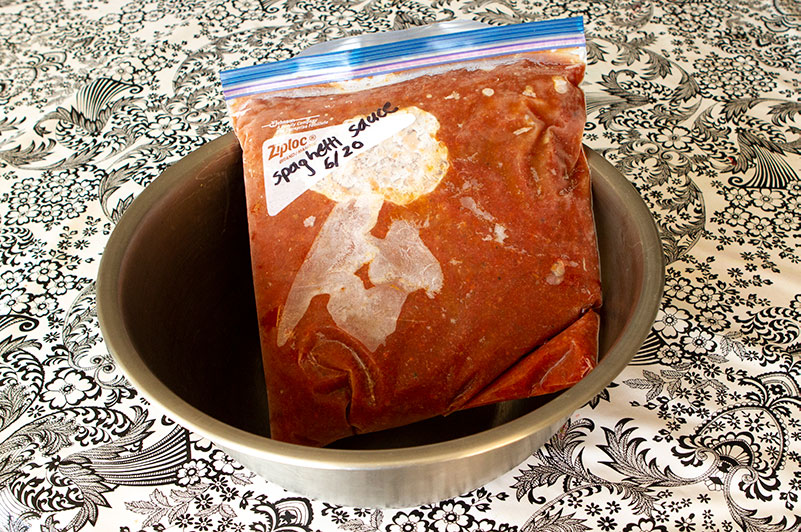
Never put anything in the freezer you don’t want to eat. Seriously. If you fall into the trap of “optimistic freezing,” your freezer will become scary and you won’t want to open it. If you truly aren’t going to eat something, cut your losses and toss it. If you DO have fruit going a little soft (smoothies of the future!) or you aren’t eating the black beans fast enough (chili next week!), by all means freeze them and be sure to label them.
If your freezer has only good, clearly labeled foods in it, you’re far more likely to open it and use food from it.
#3 Organize your fridge & freezer
We have a dedicated spot in our fridge for leftovers to use up. (Spoiler alert: It’s not in the back!)
I glance there first when I’m planning a munchy lunchy or trying to decide whether I need to make a new dinner or we can eke out our leftovers.
In my experience, most wasted food at our house is food that made its way to the back of the refrigerator and got forgotten about. Having a designated space keeps that from happening (as often).
In the freezer, we have different areas for frozen veggies, frozen fruit, frozen breads, frozen nuts, and… you guessed it, frozen leftovers!
We also have a spot for “produce to use up” in the fridge and “ingredients to use up” in the freezer. When something is nearing the end of its life, I’ll stick it there and pull it into the next flexible dish I make, usually a stir fry, vegetable soup, curry, or tofu scramble.
#4 Make leftovers yummier
Be smart about how you use your leftovers. Here are some quick ideas to get you started:
Fire up the oven or heat up a skillet. If you warm a burrito up in the microwave and then toast it in a skillet, it will taste miles better than just microwaving it alone. I love the microwave, but going the extra mile can make a big difference in the yum factor.
Add guacamole. Or homemade tortilla chips. Or cornbread. Or a side of fresh fruit. If a certain dish is becoming a little tired, shake things up.
If your brown rice is dry after being in the fridge, toss a couple of ice cubes on it when you warm it up in the microwave. It’s miraculous how quickly it’ll be moist and fluffy again.
Steel-cut oatmeal is better leftover when you add water or plant-based milk to it, because it tends to absorb liquid as it waits in the refrigerator.
When you make a big salad, don’t dress the whole thing. Dress half and serve it for dinner. Store the other half in the fridge separate so that you can dress it right before eating.
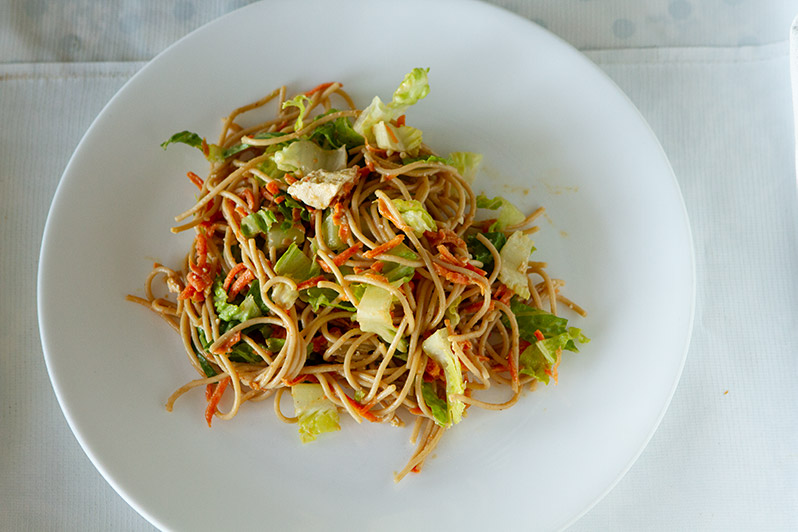
For this salad, I chop up romaine and keep it separate in the fridge, then I toss the whole thing together fresh when we eat the leftovers:
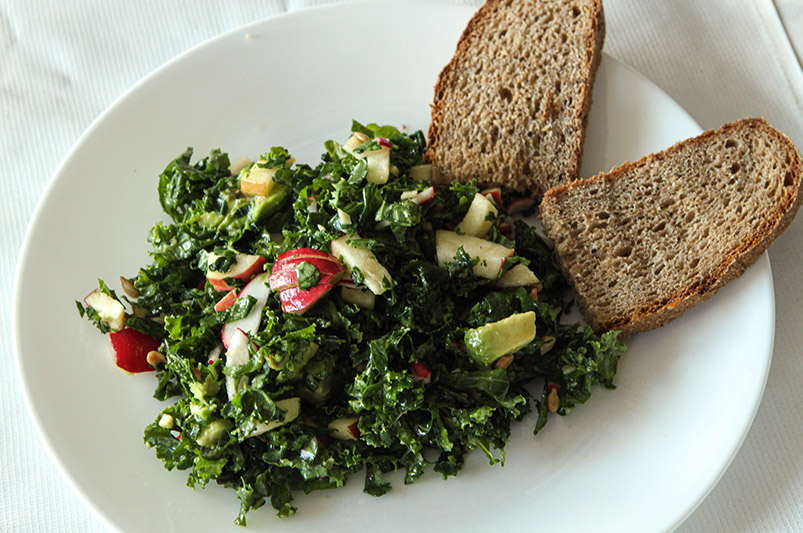
The exception is salads with a hardy green like kale. It can usually handle a few days of fridge time already dressed and massaged:
The same principle applies to anything with avocado on it. Don’t add it to the whole thing. Add it to half, keep that avocado in the fridge, and cut it up for the next night.
#5 Get Creative
Challenge yourself to use up (almost) everything perishable before hitting the grocery store again.
Maybe you’re out of bananas and leafy greens, and you’re itching to hit up the produce section, but you’ve got some potatoes, some broccoli and a few fresh tomatoes still at home. Curry!
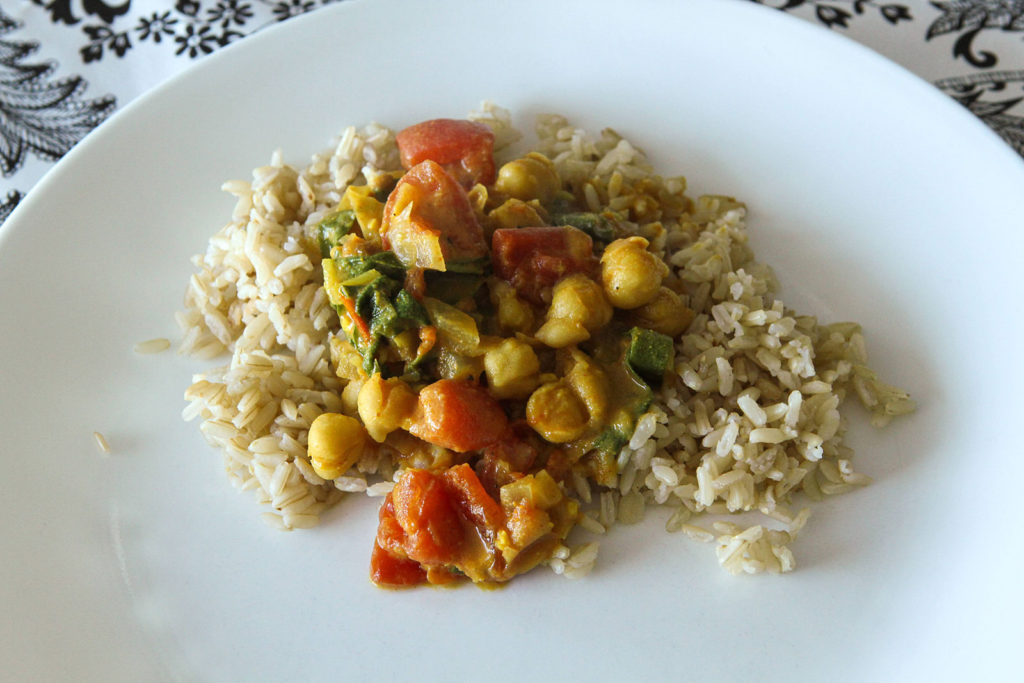
Use it all up, then hit the produce section. Or, you can plan a “catch all” meal for the day you go grocery shopping and round it out with what you buy. So you can go ahead and shop. Grab fresh cilantro to add to the top of your clean-the-refrigerator curry, and you’ll have a fresh slate when you unload those lovely groceries.
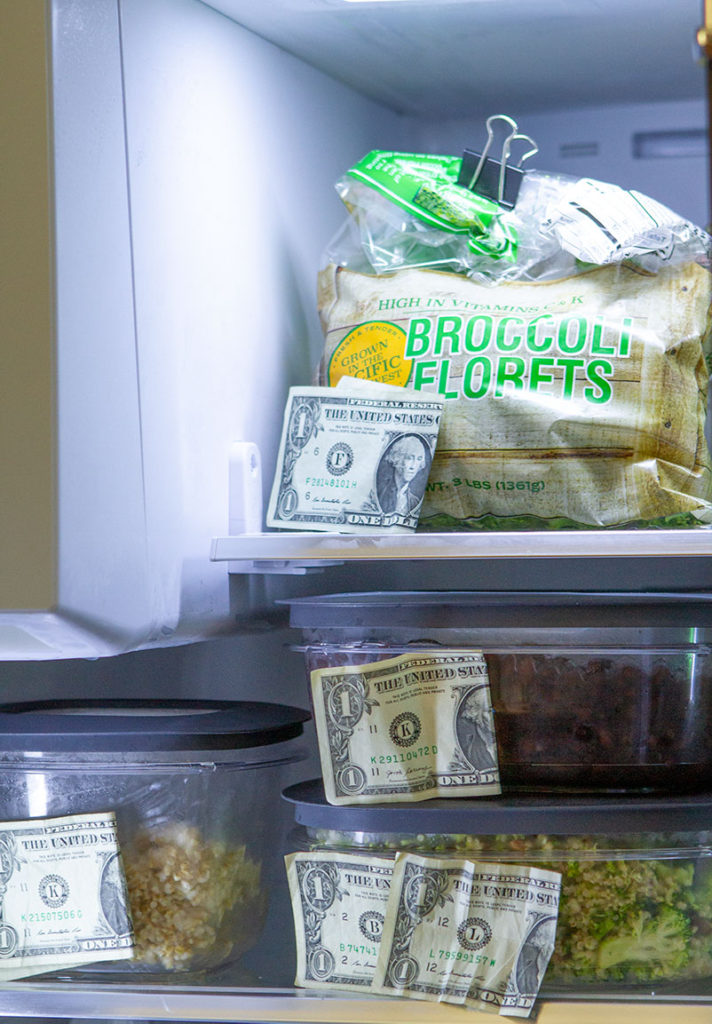
Throwing away food is like throwing away dollars, yes, but think about it the other way round.
You have lots of FREE food available in your fridge, freezer and pantry right now. Choosing to use up those odds and ends rather than letting them continue to age is like finding dollar bills everywhere and sticking them in your wallet.
4clovesextra large garlic, choppedor use a heaping TBS of minced garlic
128 oz canstewed tomatoes
3 1/2cupsvegetable broth
415 oz canscannellini (white) beans, rinsed and drained
1/2tsppepper
110 oz bagbaby spinach, or equivalent of chopped kale20 cups, loosely packed
Instructions
Cook garlic over medium heat, adding splashes of water (or a TBS of olive oil), until golden. 1-2 minutes.
Coarsely cut up tomatoes in the can with kitchen shears. Add them with their juice to the oil.
Stir in broth, beans, and pepper and bring to a boil.
Reduce heat and simmer, uncovered, for 5 minutes.
Stir in greens and cook until wilted.
Notes
I make my own vegetable bouillon a couple of times a year and keep it in the freezer for delicious and easy vegetable broth.If I’m planning ahead, I cook up white beans in my instant pot and use those instead of canned beans.
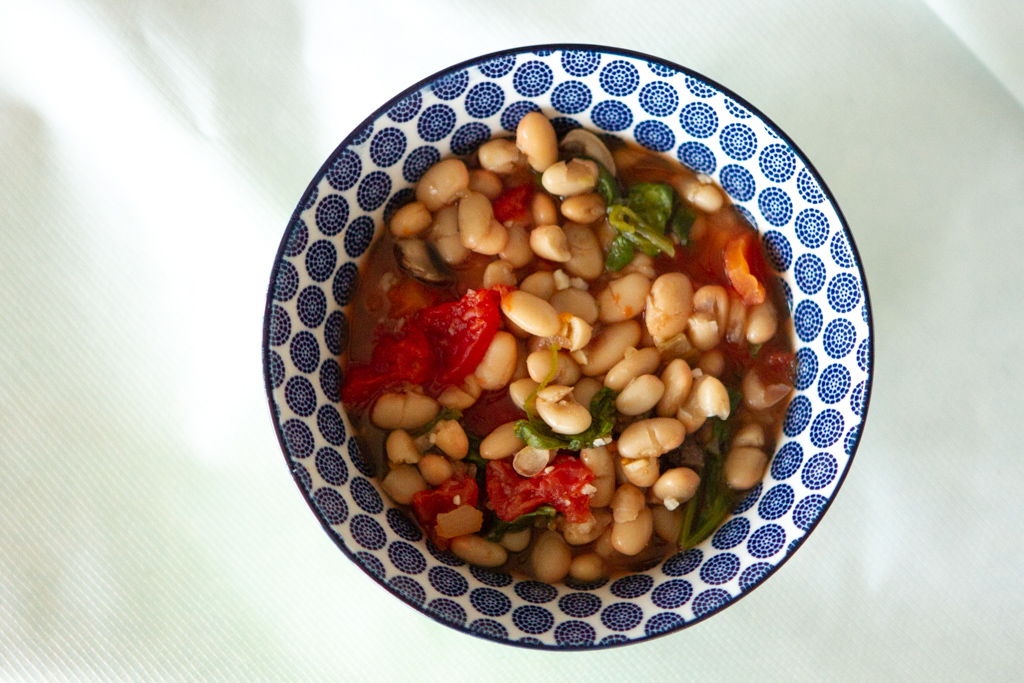
It has just 4 healthy ingredients and I've made it hundreds of times. A true friend gave me this recipe ten years ago, and I've praised her name ever since.
fresh cilantroblend some in, or chop and throw on top
Instructions
Combine all of the ingredients. Blend in a blender or with an immersion blender.
Warm up and serve!
Notes
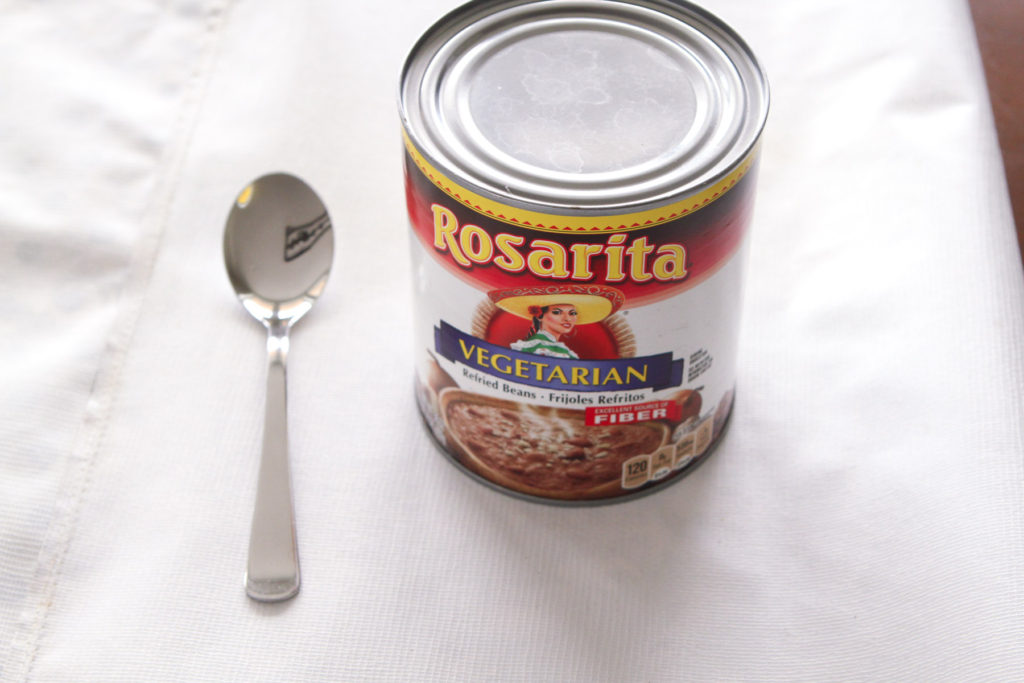
You can use canned black beans or do what I usually do: cook your own big batch of black beans in a pressure cooker or crockpot.I make my vegetable broth with water and bouillon I make twice a year and keep in my freezer.I use Pace Picante medium salsa, because we love it and Costco sells it for a good price.You can jazz this up if you want, by blending in some fresh cilantro or putting some sliced green onions, chopped cilantro, or crumbled up chips on top. Pair with some healthy cornbread or baked tortilla chips. Or just with a spoon. This is my easiest and best last-minute recipe.
Vegan means your diet is free of animal products, including honey. Fruit by the Foot and Cracker Jacks are vegan, so it’s not necessarily a health move.
Plant-based means you focus on eating plants as opposed to meat and dairy, but you typically wouldn’t be scouring ingredient labels to check for a small bit of animal product. A Beyond Beef Burger on a white bun is plant-based.
Whole Food Plant-Based means you are focused on eating plants in their whole form, rather than processed foods like oil, meat substitutes, donuts, etc.
Our family aims for 90% whole food plant-based diet.
It turns out for the vast majority of us, protein is a non-issue. There is some protein in practically every whole plant food. I’m pretty sure all the hype around protein comes from the meat industry because it’s one of meat’s few redeeming qualities.
I’ve never in my life met someone who is protein-deficient, yet I know loads of people who are suffering from diseases caused by not eating enough plants and those people are still pre-occupied with protein. Go figure.
Not even a little bit. We decided to go 90% whole plant-based, thinking we wouldn’t want to give up cheesecake and bacon forever. Well, 12 years into this I have zero desire to eat bacon because my tastes have changed. If I really want something with animal products in it, like a gooey traditional chocolate chip cookie, I just eat it and enjoy it.
Nothing too exciting to report! I don’t have any other reference point, and they were all a bit different from each other. I get sick in the first half and want nothing to do with leafy greens, so that’s a bit tough. I don’t eat as well as when I’m not pregnant, but I’m still able to find foods that appeal, and I gained an appropriate amount of weight (~25-30lb) by just following my hunger cues.
Finding healthy hospital food is sadly a bit difficult, but I get creative and appreciate the food my husband brings from home even more.
Yep, this is a real question. All baby mammals need milk from their own species to thrive. I was grateful to be able to breastfeed each of my babies for over a year.
No milk. Once they’re done nursing, we just give them what we drink: water and occasionally smoothies. They don’t have a biological need for milk past a certain point, and certainly not from another species. Plant-based “milk” isn’t milk at all, so it’s also not a necessary part of a diet.
We use soy milk or almond milk in baking or on granola, but we don’t drink it by the glassful.
It doesn’t, except in one way: I pay attention to higher-calorie foods like seeds, nuts, grains, and avocado, and I make sure my kids get more of them. They get nut butter on their toast, but I’ll pass on that sometimes. I’ll serve their burrito in a whole grain tortilla with some leafies inside. I’ll often serve mine just on a bed of greens.
I also snip up my young kids’ salads so they can eat them more easily.
That’s it! As long as we’re not counting my mid-afternoon dark chocolate habit. My kids don’t usually share in that either.
The diapers. It’s wonderful my kids never have been constipated, and we’ve only very rarely dealt with diarrhea, but plant-based kids create a LOT of messy diapers. Lots of fiber and lots of nutrition means lots of diaper changes.
Yep. We have one who despises the texture of oatmeal made with rolled oats, another who doesn’t love raisins, one who turns up her noses at mushrooms, and another who avoids potatoes if possible. But they all love arugula, willingly snack on green beans, and load up on almost everything I cook. So they have food preferences, but we soldier on and we’ve seen many of those preferences shift over time.
Hardly ever. We do eat tofu a few times a month, and we’ve tried vegan cheese once. Pretty much the only meat imitation product we buy is the occasional Field Roast Sausage (so delicious but lots of added oil) and Beyond Beef Burgers (ditto.)
Scott loves a fancy restaurant meal periodically, and though we often seek out an ethnic restaurant that has vegan options, he has no problem with indulging in less healthy food on occasion. We believe it’s what you eat most that counts the most.
We teach our kids that it’s most important to be polite and gracious, but beyond a polite bite they aren’t obligated to eat something. Given the opportunity, we do let people know we’re vegetarian (most people don’t know what to do with vegans.) But we’ve been served shredded chicken and cheese enchiladas, roasted chicken, and more in people’s homes and we just eat some politely and fill up on sides. Relationships and health are our two priorities, but health won’t be ruined over one meal. A relationship might be if we don’t respond with tact.
Not usually. We believe the biggest improvement in health comes from eating whole plant foods, even grown conventionally, so that’s what we focus on. We do often buy in season and local, but we don’t focus much on whether something is certified organic.
Ok, your turn! Drop your burning question in the comments and I’ll answer it here.
I discovered this magical way of viewing food in college, when money was scarce, free food was plentiful and greasy, and I found myself gaining weight and feeling kind of icky often.
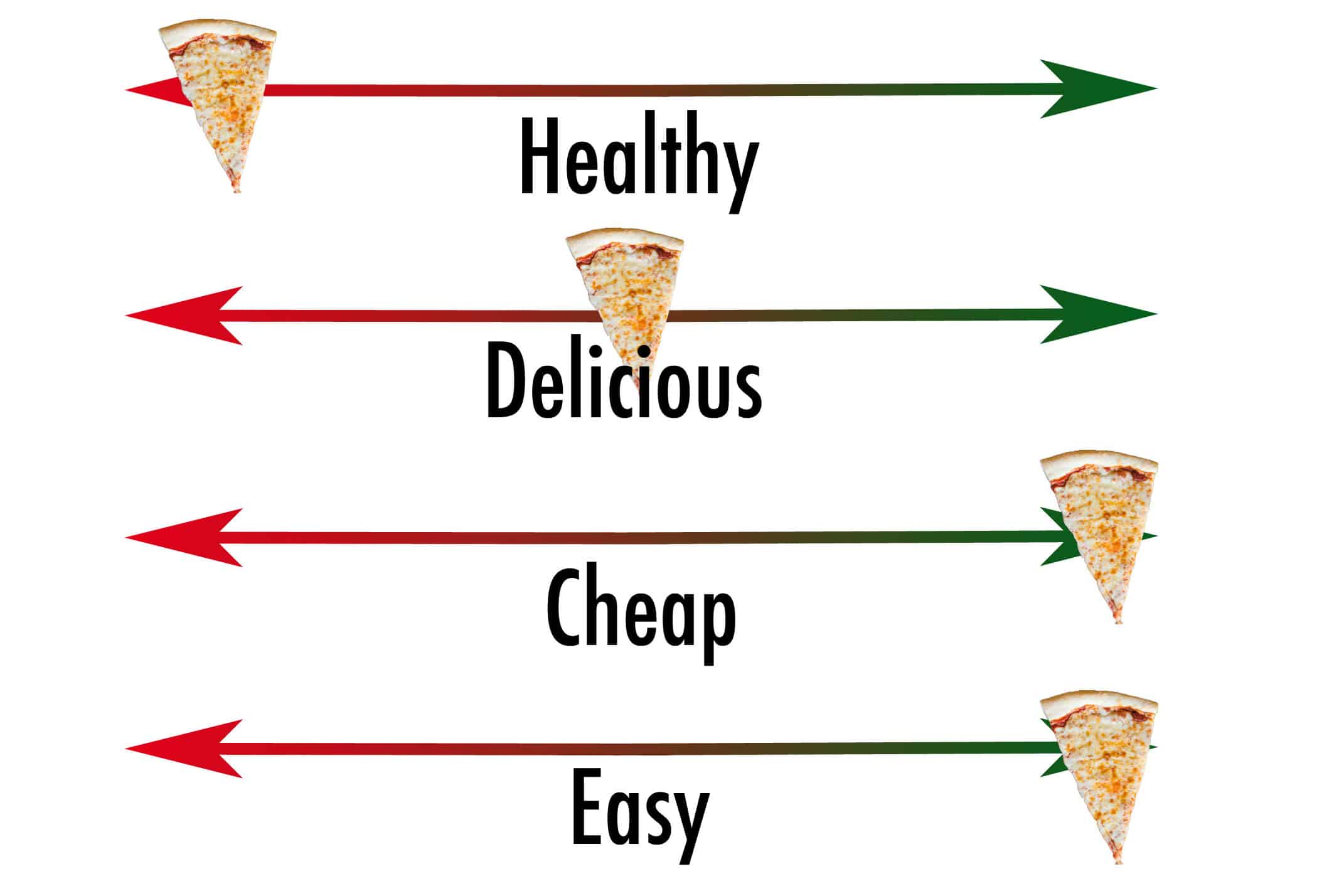
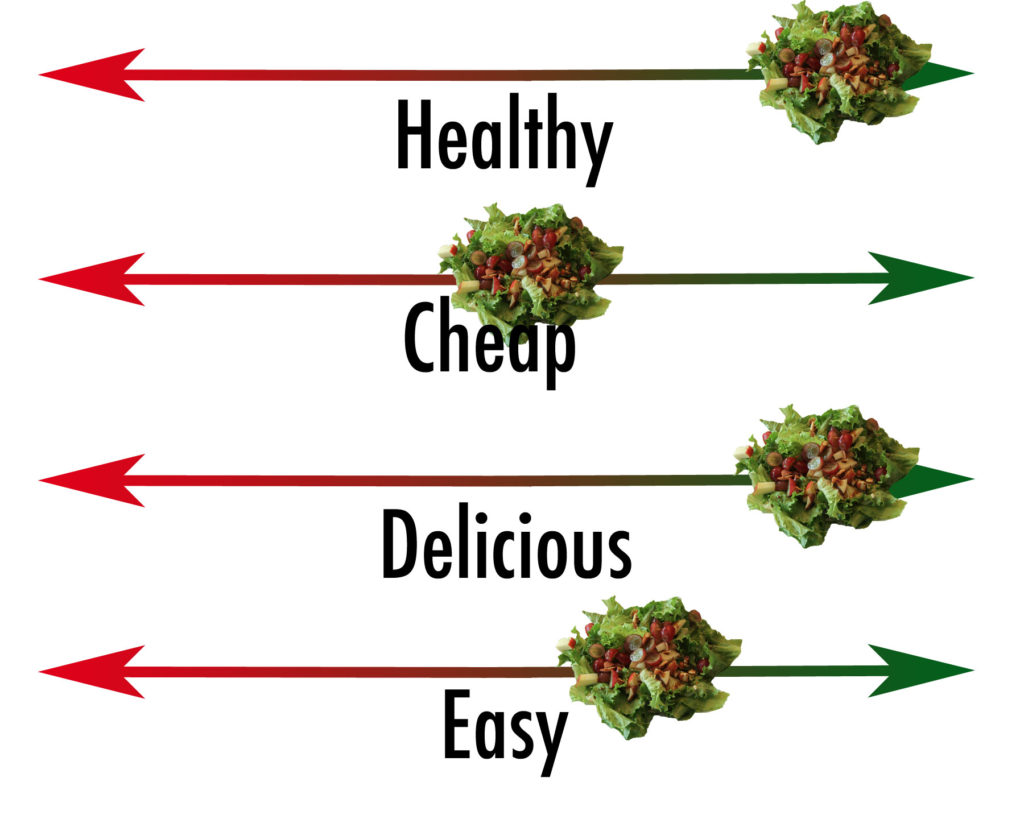
Ever since, I’ve viewed food on the four spectra of:
cheap, easy, healthy, and delicious.
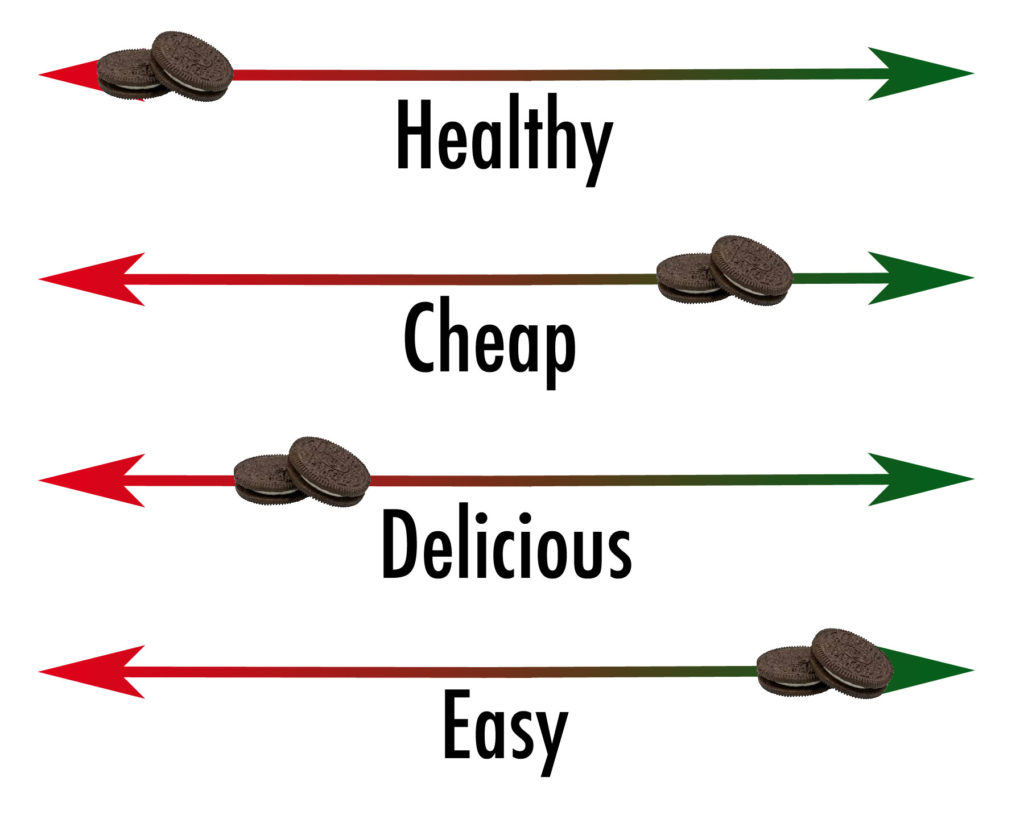
Here is where that free pizza they were handing out on campus fell:
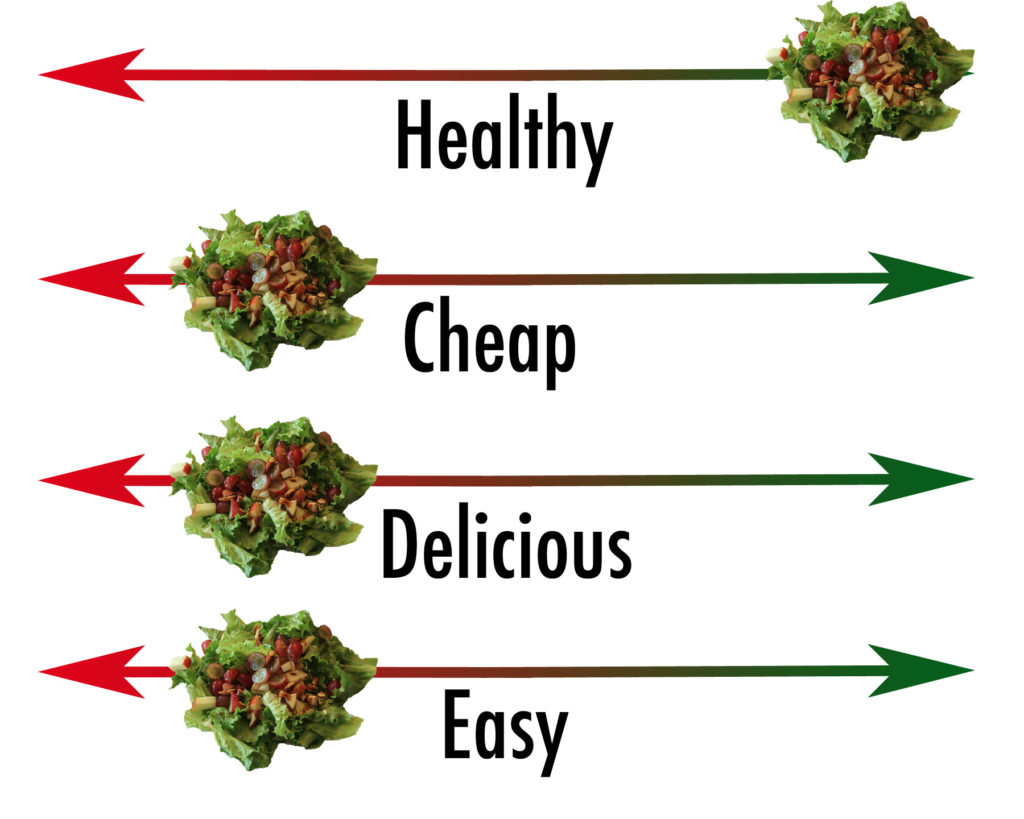
Whereas the image I had in my mind as synonymous with “healthy,” which was a big green salad, was here on the spectra:
Is it any wonder I accepted the free mediocre pizza and wrote “healthy” off my list of possibilities? I didn’t like vegetables, and the siren call of “cheap” and “easy” was compelling.
What’s currently driving how you eat?
Defining Terms
It turns out that every one of these metrics, with the exception of “healthy,” is highly personal.
All the science I’ve seen points to a whole food plant-based diet as being the Healthiest. It reverses and prevents many chronic diseases, promotes a healthy weight, and helps people feel their best.
But are whole plant foods Delicious? That, it turns out is a matter of opinion. I was a veggie-hater my whole life until I made the switch to a plant-based diet. My tastes have changed and I now eat hundreds of dishes I would definitely call delicious! What I’ve found is that while some plant-based foods are more universally delicious, like a freshly picked strawberry, others are only delicious if the rest of your diet isn’t full of processed food. Broccoli has its own appeal, but will lose to Cheetos because Cheetos don’t fight fair.
What does Easy mean? For some people it means essentially instant. If they can buy the food already made, that’s easy. Spending time in the kitchen chopping stuff definitely means that particular food is noteasy. Leftovers are easyand that’s one reason we love them around here. Of course there’s a continuum.
We often think in terms of whether obtaining and preparing the food is Easy, and neglect whether the food makes our life overall easier. 100 million Americans have Diabetes or Pre-Diabetes. I think chopping stuff up for a salad is overall easier than living with diabetes. Just sayin’. My husband tells me there were a lot of things that were hard about being 100 pounds overweight that he didn’t fully realize until he slimmed down.
How about Cheap? This, again, is highly personal and dependent on your immediate situation. For someone who is used to eating out, making their own meals is automatically cheap. For someone who is used to ramen, fresh spinach is going to come with a sticker shock.
One thing we rarely consider is how expensive it is to be in poor health. Everything from life-long medication for blood pressure to sick days taken from catching yet another cold take their toll, and anyone facing heart surgery would tell you that it’s far cheaper to fight heart disease with kale than it is with an operation.
How I Make Food Decisions
We try to eat a 90% whole food plant-based diet. That means aside from an occasional indulgence, I make Healthy my first decision criteria.
When I first made that change 10 years ago, it limited my options dramatically. I didn’t want to eat anything that wasn’t at least somewhat delicious, and I didn’t know how to cook with vegetables, thereby causing many things to be hard. Oh, and did I mention my husband was in medical school and we were going to have our first baby? Cheap was highly important as well.
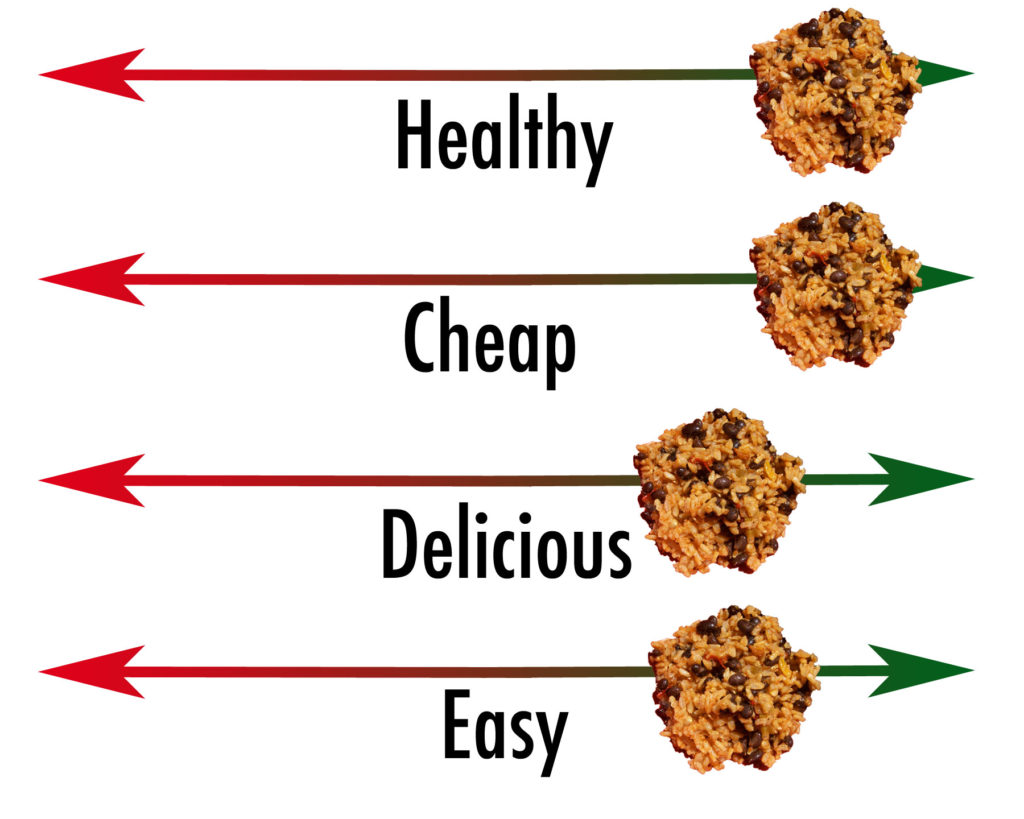
Thank goodness for beans and rice.
(As my tastes changed and I learned how to cook better, those beans and rice got more delicious and even easier. )
Apples we could go pick ourselves? You guessed it. Healthy, cheap, easy and delicious.
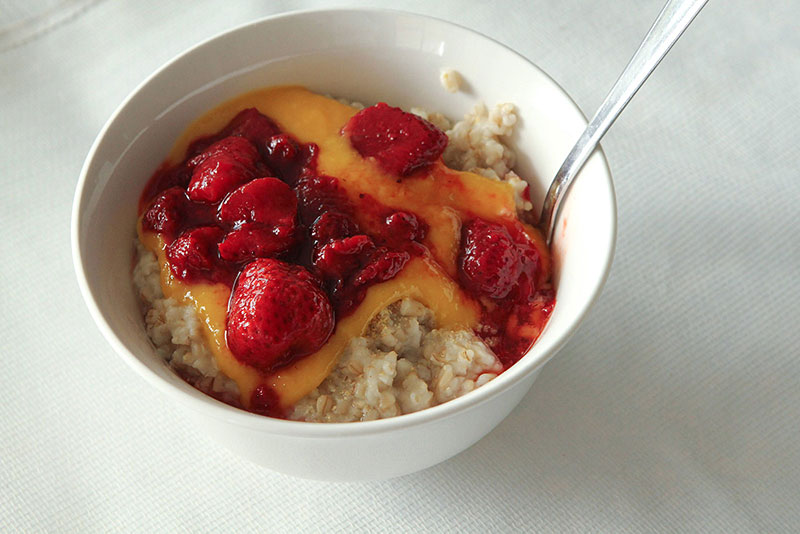
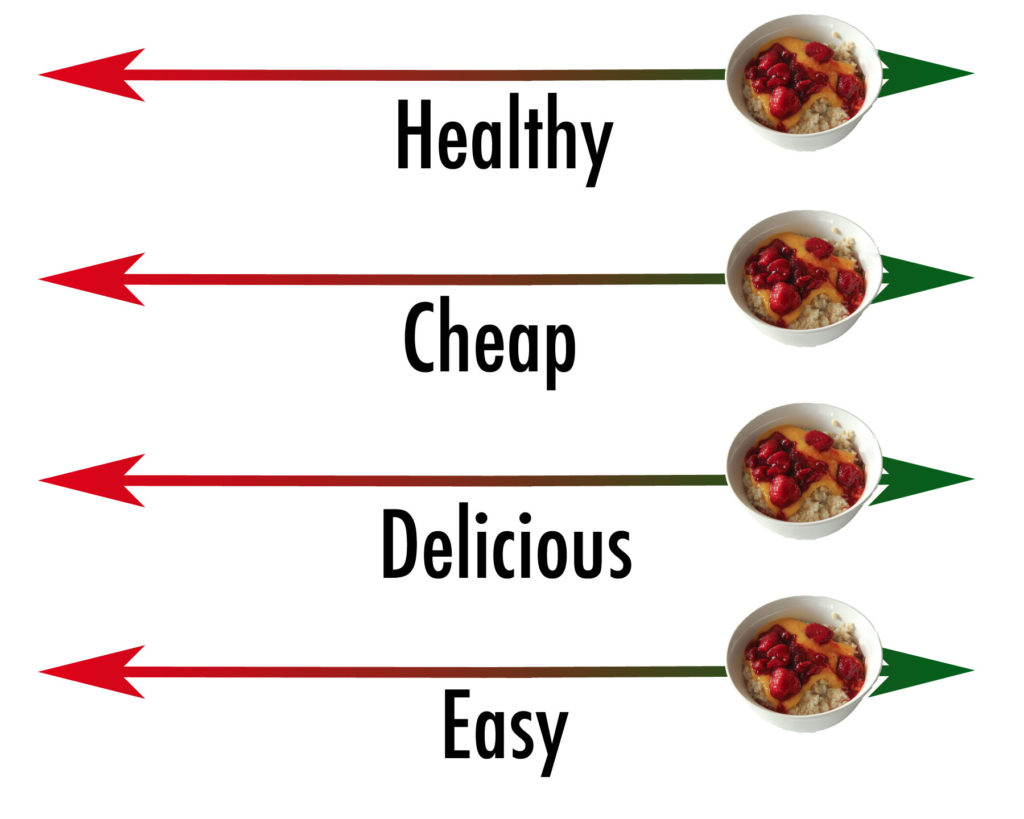
Oatmeal? Healthy and cheap. Once we learned how much yummier steel-cut oats were and all the great stuff we could add to them? More and more delicious. We figured out where to buy steel-cut oats inexpensively in bulk and how to cook them without spending time standing at the stove. Now they tick all the boxes.
See how magical this is? Now when I encounter a new recipe (or a subpar store-bought cookie at an event), I can quickly evaluate whether I want it in my life.
As you may have guessed, I give more weight to “Healthy” than the other categories. “Cheap” is rated less now that I have more wiggle room in my budget. “Easy” is more important now that I have 5 children I’m homeschooling.
Simpler Food Decisions
Difficult recipe? It had better be out-of-this-world delicious or it’s a definite NO.
Healthy but contains beets (ie not delicious)? NO. There are plenty of yummy healthy foods. I can pass on things I just don’t like.
Delicious recipe but not healthy? Usually a NO from me because delicious food is only briefly enjoyed whereas the effects of fueling your body well endure. Besides, I’ve been eating this way long enough I have dozens of options that are both delicious AND healthy. It’s not either/or. It’s both!
Delicious and healthy? YES, please.In my experience, if I find something that is both delicious and healthy, there are lots of ways to get it cheaper or easier.
Put it on The Food Spectra
If you’re new to the idea of plant-based eating, hang in there. Stick to your goals and keep finding those things that are healthy AND fit the other criteria that are most important to you.
With some time and practice, it will become easier and your tastes will change so that the big bowl of salad is actually delicious. Trust me, I’ve changed from being a veggie hater to a veggie lover!